Looking for a reliable LED screen for your live event? This page covers everything you need to know—from screen types and applications to pricing and setup tips—so you can choose the right solution with confidence.
Linsn Stage LED Displays offer stunning high definition, exceptional contrast, wide grayscale range, and robust protection, ensuring top-tier performance for live events.

P2.604, 2.976, 3.9 ,4.81, 5.95
Curved Installation
3-year Warranty and 5% Spare Parts
| Pixel pitch | 1.953mm (indoor) | 2.604mm | 2.976mm | 3.91mm | 4.81mm |
| Pixels per cabinet | 256×256 (HxV) | 192×192 (HxV) | 168×168 (HxV) | 128×128 (HxV) | 104×104 (HxV) |
| LED lifetime | 100,000h | ||||
| Brightness | Indoor 600-800 nits, Outdoor 4000-4500 nits | ||||
| Module size | 250*250mm | ||||
| Module resolution | 128*128dots | 96*96dots | 84*84dots | 64*64dots | 52*52dots |
| Refresh rate | 3840-7,680Hz | ||||
| Hor. viewing angle | 140° +/-5° (@50% brightness) | ||||
| Vert. viewing angle | 140° +/-5° (@50% brightness) | ||||
| Brightness uniformity | >98% | ||||
| Dimming | 0-100% | ||||
| Grey Level | 14 bits | ||||
| Avg Power consumption (for indoor) | 270 W/m² | ||||
| Avg Power consumption (for outdoor) | 384 W/m² | ||||
| Max Power consumption (for indoor) | 450 W/m² | ||||
| Max Power consumption (for outdoor) | 640 W/m² | ||||
| Operation power voltage | 100-240V/50-60Hz | ||||
| Operational temperature | -10°C to +40°C/14°F to 104°F | ||||
| Operational humidity | 10-80% | ||||
| IP rating | IP50 for Indoor, IP65 for Outdoor | ||||
| Dimensions | 500 x 500 x 80mm/500 x 1000 x 80mm (WxHxD) | ||||
| Weight | 6kg (500 x 500mm cabinet)/11kg (500 x 1000mm cabinet) | ||||
| Serviceability | Front and back service | ||||
| Certifications | CE, UL, FCC class A, RoHS, WEE, REACH | ||||
Pixel pitch | 1.953mm | 2.604mm | 2.976mm | 3.91mm |
Pixels per cabinet(500*500mm) | 256×256 (HxV) | 192×192 (HxV) | 168×168 (HxV) | 128×128 (HxV) |
Pixels per cabinet(500*1000mm) | 256×512 (HxV) | 192×384 (HxV) | 168×336 (HxV) | 128×256 (HxV) |
LED lifetime | 100,000h | |||
Brightness | Indoor: 600-800nits | |||
Module size | 250*250mm | |||
Module resolution | 128*128dots | 96*96dots | 84*84dots | 64*64dots |
Refresh rate | 3840-7,680Hz | |||
Hor. viewing angle | 140° +/-5° (@50% brightness) | |||
Vert. viewing angle | 140° +/-5° (@50% brightness) | |||
Brightness uniformity | >98% | |||
Dimming | 0-100% | |||
Grey Level | 14 bits | |||
Avg Power consumption | 200 W/m² | 200 W/m² | 225 W/m² | 225 W/m² |
Max Power consumption | 400 W/m² | 400 W/m² | 450 W/m² | 450 W/m² |
Operation power voltage | 100-240V/50-60Hz | |||
Operational temperature | -10°C to +40°C/14°F to 104°F | |||
Operational humidity | 10-80% | |||
IP rating | IP50 for indoor, IP65 for outdoor | |||
Dimensions | 500 x 500 x 80 mm/500 x 1000 x 80 mm (WxHxD) | |||
Weight | 7.25kg (500 x 500mm cabinet)/12.5kg (500 x 1000 mm cabinet) | |||
Serviceability | Frontal & rear service for indoor, rear service for outdoor. | |||
Certifications | CE, UL, FCC class A, RoHS, WEE, REACH | |||
Pixel pitch | 2.604mm | 2.976mm | 3.91mm | 4.81mm |
Pixels per cabinet | 192×192 (HxV) | 168×168 (HxV) | 128×128 (HxV) | 104×104 (HxV) |
Pixels per cabinet | 192×384 (HxV) | 168×336 (HxV) | 128×256 (HxV) | 104×208 (HxV) |
LED lifetime | 100,000h | |||
Brightness | Outdoor: 4500-5000 nits | |||
Module size | 250*250mm | |||
Module resolution | 96*96dots | 84*84dots | 64*64dots | 52*52dots |
Refresh rate | 3840-7,680Hz | |||
Hor. viewing angle | 140° +/-5° (@50% brightness) | |||
Vert. viewing angle | 140° +/-5° (@50% brightness) | |||
Brightness uniformity | >98% | |||
Dimming | 0-100% | |||
Grey Level | 14 bits | |||
Avg Power consumption | 320 W/m² | 320 W/m² | 320 W/m² | 320 W/m² |
Max Power consumption | 640 W/m² | 640 W/m² | 640 W/m² | 640 W/m² |
Operation power voltage | 100-240V/50-60Hz | |||
Operational temperature | -10°C to +40°C/14°F to 104°F | |||
Operational humidity | 10-80% | |||
IP rating | IP65 for outdoor | |||
Dimensions | 500 x 500 x 80 mm/500 x 1000 x 80 mm (WxHxD) | |||
Weight | 7.25kg (500 x 500mm cabinet) / 12.5kg (500 x 1000mm cabinet) | |||
Serviceability | Frontal & rear service for indoor, rear service for outdoor. | |||
Certifications | CE, UL, FCC class A, RoHS, WEE, REACH | |||
P2.976 | P3.91 | ||
Physical parameters | LED type | 1415 | 1921 |
Pixel pitch (mm) | 2.976 | 3.91 | |
Cabinet size (width × height × thickness) / (mm) | 500×500×77 | 500×500×77 | |
Cabinet resolution | 168×168 | 128×128 | |
Cabinet weight (kg) | 8.4 | 8.4 | |
Cabinet material | Die-cast aluminum | Die-cast aluminum | |
Module size (width × height) / (mm) | 250×500 | 250×500 | |
Photoelectric parameters | Brightness (nit) | 4300 | 4500 |
Refresh rate (Hz) | 7680 | 7680 | |
Color temperature (K) | 9000±1000 | 9000±1000 | |
Viewing angle (horizontal / vertical) (°) | 140/140 | 140/140 | |
Scan mode | 1/21 | 1/16 | |
AC working voltage (V) | 100-240 | 100-240 | |
Power (maximum / average) (W/m²) | 660/220 | 560/190 | |
Application parameters | Storage temperature (℃) | ﹣40~﹢60 | ﹣40~﹢60 |
Working temperature (℃) | ﹣20~﹢50 | ﹣20~﹢50 | |
Storage humidity (RH) | 10﹪~90﹪ | 10﹪~90﹪ | |
Working humidity (RH) | 10﹪~90﹪ | 10﹪~90﹪ | |
Protection level (front / rear) | IP65 | IP65 | |
LED life (H) | 100000 | 100000 | |
Module maintenance method | Front or rear maintenance | Front or rear maintenance | |
Power supply & other maintenance methods | Rear maintenance | Rear maintenance | |
Installation method | Rear installation | Rear installation | |
Note: The power will fluctuate within the range of ±15%, depending on the brightness of different batches of lamps. The actual situation shall prevail. | |||
P2.976 | P3.91 | ||
Physical parameters | LED type | 1415 | 1921 |
Pixel pitch (mm) | 2.976 | 3.91 | |
Cabinet size (width × height × thickness) / (mm) | 500×1000×77 | 500×1000×77 | |
Cabinet resolution | 168×336 | 128×256 | |
Cabinet weight (kg) | 12.5 | 12.5 | |
Cabinet material | Die-cast aluminum | Die-cast aluminum | |
Module size (width × height) / (mm) | 250×500 | 250×500 | |
Photoelectric parameters | Brightness (nit) | 4300 | 4500 |
Refresh rate (Hz) | 7680 | 7680 | |
Color temperature (K) | 9000±1000 | 9000±1000 | |
Viewing angle (horizontal / vertical) (°) | 140/140 | 140/140 | |
Scan mode | 1/21 | 1/16 | |
AC working voltage (V) | 100-240 | 100-240 | |
Power (maximum / average) (W/m²) | 660/220 | 560/190 | |
Application parameters | Storage temperature (℃) | ﹣40~﹢60 | ﹣40~﹢60 |
Working temperature (℃) | ﹣20~﹢50 | ﹣20~﹢50 | |
Storage humidity (RH) | 10﹪~90﹪ | 10﹪~90﹪ | |
Working humidity (RH) | 10﹪~90﹪ | 10﹪~90﹪ | |
Protection level (front / rear) | IP65 | IP65 | |
LED life (H) | 100000 | 100000 | |
Module maintenance method | Front or rear maintenance | Front or rear maintenance | |
Power supply & other maintenance methods | Rear maintenance | Rear maintenance | |
Installation method | Rear installation | Rear installation | |
Note: The power will fluctuate within the range of ±15%, depending on the brightness of different batches of lamps. The actual situation shall prevail. | |||
Linsn LED stage screens deliver an impressive wide-angle experience for any concert or venue. With LED technology, you can maximize visual impact. Our LED displays provide unmatched detail, inspiring and conveying information at the same time.
Just fill the sizes, and get your LED screen budget right now !


Enhanced Visuals:
LED screens elevate stage performances by adding vivid, high-definition visuals, perfectly synced with lighting and sound, creating an immersive experience for the audience.
Smooth Transitions:
With fast refresh rates, LED screens handle quick scene changes seamlessly, ensuring dynamic performances are captured in real time.
Clear Presentations:
In corporate settings, LED screens provide clear and sharp displays for presentations, speeches, and training sessions. By eliminating the need for small, hard-to-read slides, they ensure that all attendees can engage with the content effortlessly, no matter where they are sitting.
Increased Engagement:
Interactive visuals and real-time content boost audience participation and make corporate events more dynamic.


Enhanced Visuals:
LED screens provide high-resolution visuals, enabling attendees to explore products in greater detail. This ensures key features and intricate details are clearly visible, even those not easily captured by physical displays.
Visibility Boost:
In bustling trade show environments, LED screens attract attention with bright, dynamic visuals. By showcasing product information or branding, exhibitors can significantly increase their booth’s visibility and draw more visitors.
Real-Time Action:
LED screens display fast-paced e-sports action without delay, keeping fans engaged.
Immersive Experience:
High-definition visuals ensure clarity and detail, enhancing the excitement for both live and broadcast audiences.
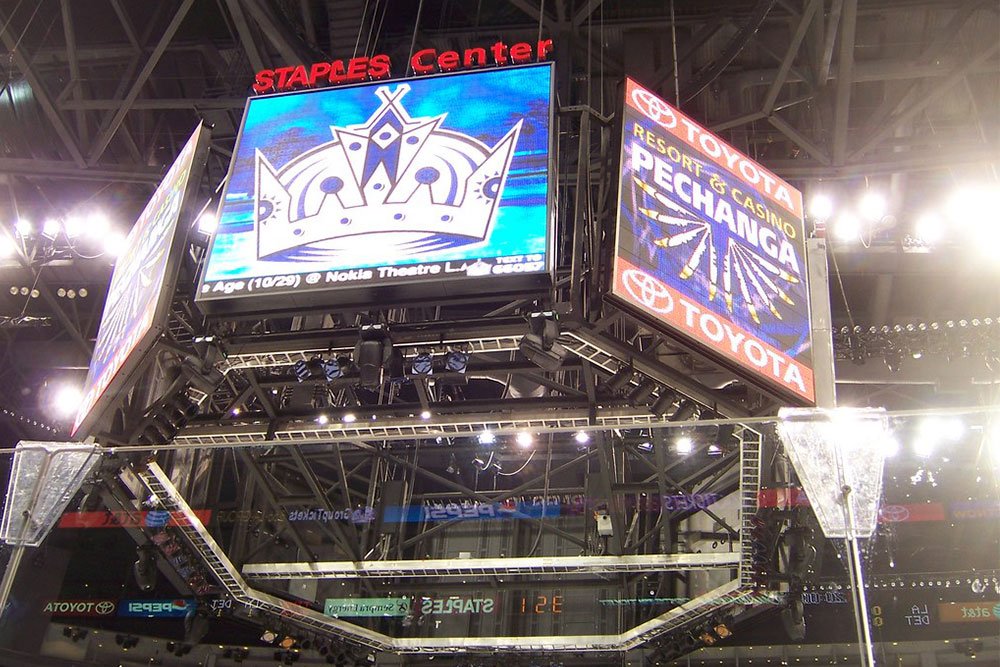

Built for Outdoors:
LED screens are weather-resistant and durable, ensuring reliable performance in outdoor settings.
Wide Viewing Angles:
LED screens offer clear visibility from all angles, ensuring every audience member gets a great view.
Showcasing Every Detail With Precision:
They help create stunning visual effects that highlight the product’s key features and functions in a way that static images cannot.
Dynamic Visuals for Maximum Impact:
During product presentations, LED screens can create dynamic transitions and impressive visuals that draw attention and make a lasting impact on the audience. They help convey the excitement of new product releases and capture the audience’s interest immediately.

In today’s event production industry, LED display has become essential.
They provide stunning visual effects and dynamic content, transforming any event—a concert, stage performance, or wedding—into a memorable experience.
This comprehensive guide explores the intricacies of stage LED screen, covering everything from design and technical features to installation considerations and pricing factors.
Table of Contents
1. Structure and Design of Stage LED Screen
2. Technical Features and Advantages of Stage LED Screens
3. Benefits of Using Stage LED Displays in Events
4. Calculating Stage LED Display Size
5. Installation Considerations for Indoor and Outdoor LED Screens
6. Innovative Uses of LED Display for Stages in Events
7. Stage LED Screen Price
8. LED Screen Types and Support Solutions for Stages
9. FAQ – LED Display Stage
10. Conclusion
These screens are generally designed with a modular approach.
The modules can be assembled into screens of various dimensions, adapting to different stage setups.

(1) LED Chip: The LED chip is the core component of the display.
(2) PCB Substrate: The PCB substrate is the primary material used to support and connect the LED chips in the display.
(3) Encapsulation Material: Encapsulation material wraps and protects the LED chips. Common encapsulation materials include transparent resin and silicone.
In practical applications, it is evident that the internal components of current LED displays produce a significant amount of heat.
Therefore, it is essential to provide a low thermal resistance path between the heat sources and the external environment to ensure efficient heat transfer.

Large LED screen for events provide stunning high-definition visuals and precise color reproduction.
Whether it’s a concert, stage show, or wedding, they can evoke emotions and enhance the live experience.
People attach so much importance to brightness due to the visual characteristics of the human eye.
If the light emitted by the object is strong, the visual information generated by the brain will also be strong, otherwise the visual information generated will be weak.
The human eye will give priority to objects with higher brightness within the field of vision.
This phototropism of visual physiology also makes people subconsciously concerned about brightness.
When there is an LED display on the stage, artists should consider the luminous brightness of the display screen and the reflective brightness of the actor’s body when designing the light ratio of the entire stage picture.
Stage performance is a comprehensive art form. The picture presented by the display screen cooperates with and sets off the performance of the actors.
It serves the program and the actors. It should not compete with the actors for the audience’s attention. It should choose a suitable brightness to present a unified and harmonious perfect stage picture to the audience.
The wide stage perspective allows audiences from all directions to become one with the people on stage and have a deep experience.
LED screens infuse the space with a blend of art and technology.
LED creates a broader stage for artists, not only to create works with dramatic effects through the changes and movement of lights but also to enable audiences to interact with artworks in a real and dynamic way through programming and interactive design.
Generally speaking, the life of high-quality LED display products can reach more than 100,000 hours.
In addition, energy saving and environmental protection are also important considerations for choosing LED display screens.

When installing an LED screen, the first thing to do is to survey the most important things in advance, and also plan according to the on-site construction conditions and the screen body.
The first step in the LED display installation process is to ensure a reasonable combination of the installation site and the screen body.
2.8.1 LED Screens
LED panels are usually very thin, which makes them suitable for a variety of occasions.
New LED display technology can achieve ultra-thin design and even develop flexible screens that can be bent and folded.
In addition, the independent pixel control ability of LED allows it to effectively reduce power consumption when full-screen brightness is not required.
The light-emitting diodes used in LED screens have better control over the scattering and propagation of light, and the viewing angle of LED screens will be larger.
2.8.2 LCD Screens
Since the backlight source of LCD screens is fluorescent lamps, these lamps can only produce white light of a fixed color and cannot achieve the self-luminous effect of different colors of LED screens.
Therefore, the color displayed on the LCD screen will be affected by the backlight source and may have color deviation.
Although LCDs with LED backlights have greatly improved thickness and power consumption, compared with pure LED display technology, they still do not have completely independent pixel light control capabilities, and the overall power consumption is higher when the full screen is displayed.
LED screens can provide multiple advantages for different events, such as concert stages, stage shows, and wedding stages.
The audience can see every subtle expression and movement of the actors in the audience, and even every appropriate lighting can highlight the careful arrangement of this concert.
Various stage lights can be properly coordinated with each display to jointly create a clear, vivid, and harmonious stage picture.


Influenced by the expansion of designers’ thinking, in stage performances, the display function of LED display screens has added a dynamic picture scrolling function, which corresponds to the theme of the stage performance and highlights the stage atmosphere
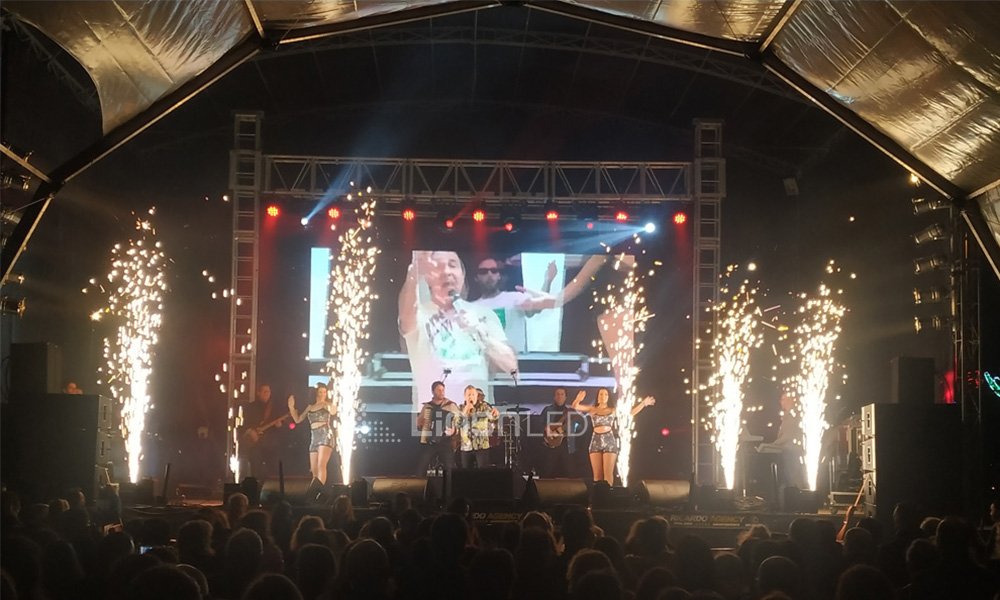
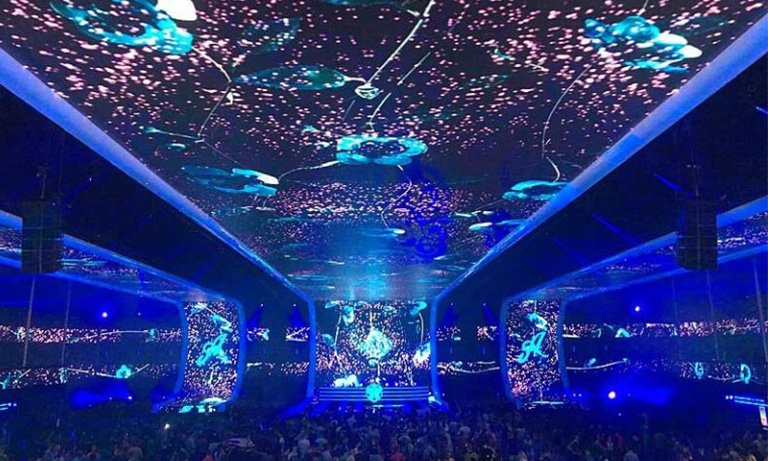
LED screens can be used to create a dramatic entrance for the bride and groom.
For the newlyweds, using LED screens at the wedding scene is more like a luxurious theater or a literary museum. Each couple can get a unique design.
LED screens can be used to play dynamic backgrounds to add vitality and movement to the banquet.
For example, you can play the newlyweds’ travel videos, wedding photography photo albums, or romantic movie clips to create a loving atmosphere.
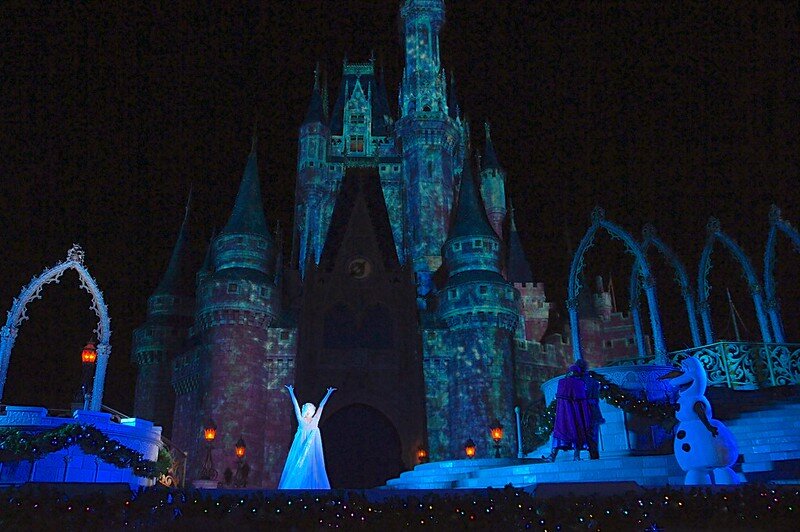
Designed for the curved stage requirements of opera houses, the Linsn LED P2.5 flexible screen can be bent to a 15° curvature, coupled with a 3840Hz refresh rate to eliminate motion blur in fast-moving images.
In the stage production of Frozen, the 3840Hz refresh rate of the P2.5 screen perfectly displays the snowstorm effects.
Choosing the appropriate size for your LED stage display depends on various factors. Follow this step-by-step guide to simplify the process:
4.1.1 Assess Viewing Distance
Calculate the average distance between your audience and the screen. This will guide you in selecting the optimal pixel pitch for clear visibility.

4.1.2 Select Pixel Pitch
Choose a pixel pitch that matches the viewing distance to guarantee clear images.
4.1.3 Determine Screen Resolution
Calculate the necessary screen resolution based on the selected pixel pitch and the intended screen size.
4.1.4 Evaluate Screen Aspect Ratio
Choose the screen’s aspect ratio according to your layout requirements (e.g., 16:9, 4:3).
4.1.5 Determine Screen Dimensions
After deciding on the resolution and aspect ratio, compute the screen’s physical dimensions.
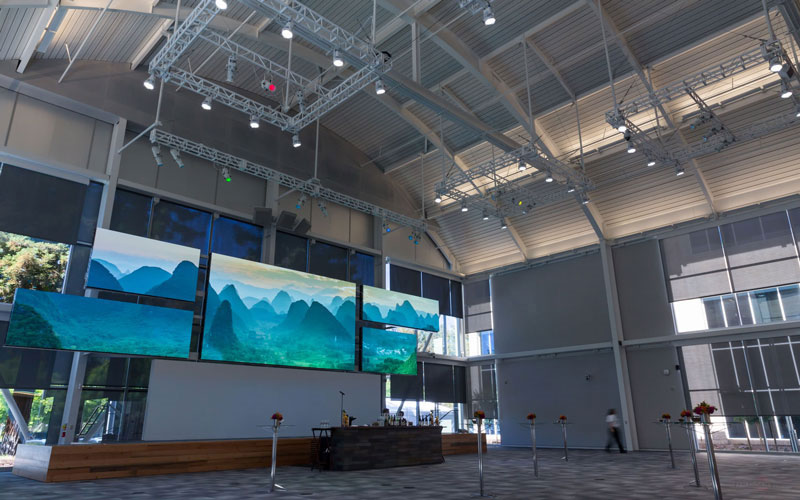
Let’s consider the following parameters:
· Viewing Distance: 20 meters
· Desired Pixel Pitch: 3 mm (suitable for high-definition close viewing)
· Aspect Ratio: 16:9
4.2.1 Select the Optimal Pixel
Pitch A pixel pitch of 3 mm is ideal for high-definition visuals at a viewing distance of 20 meters.
4.2.2 Calculate Resolution
With an aspect ratio of 16:9, the width (W) to height (H) ratio is 16:9. Assume a screen width (W) in pixels is determined by the viewing distance and pixel pitch.
Resolution Width = Viewing Distance / Pixel Pitch
Resolution Width=20000 mm/3 mm=6667 pixels
Resolution Height = Resolution Width × (9 / 16)
Resolution Height=6667×(9/16)=3750 pixels
4.2.3 Calculate Screen Size
Convert resolution to meters using pixel pitch:
Screen Width = Resolution Width × Pixel Pitch
Screen Width=6667 pixels×0.003 meters/pixel=20 meters
Screen Height = Resolution Height × Pixel Pitch
Screen Height=3750 pixels×0.003 meters/pixel=11.25 meters
Therefore, for a viewing distance of 20 meters and a pixel pitch of 3 mm, the stage LED screen size would be approximately 20 meters wide and 11.25 meters high, assuming a 16:9 aspect ratio.
Adjust for Practicality
Consider practical constraints such as available stage space, viewing angles, and integration with stage design and lighting.
If you are unsure about the actual size needed for your LED screen, consider consulting with Linsn LED. We offer expert guidance to ensure you select the perfect screen size for your event.

5.1.1 Purpose and Use
It is frequently utilized for presentations, events, and advertisements in shopping malls, conferences, theaters, and various other venues.
5.1.2 Resolution and Pixel Pitch
Careful selection of high resolution and small pixel pitch is crucial for achieving clear and detailed images.
5.1.3 Brightness and Viewing Angle
The area and people’s viewing angles should be calculated in advance to ensure that they can be seen clearly from all positions in the venue.
5.1.4 Mounting and Structural Support
To integrate seamlessly into the interior environment, safe and precise installation is essential.
The structural integrity of the mounting surface needs to be ensured and suitable brackets and supports should be used.
5.1.5 Connection and Signal Management
Ensure data and power connections are reliable and adequate cabling routes are planned to avoid interference and ensure smooth operation of equipment.
5.1.6 Ventilation and Cooling
LED screens generate heat even when used indoors, so proper ventilation and cooling systems are needed to prevent overheating and ensure stable performance.
5.1.7 Maintenance and Accessibility
Design installation for easy maintenance.
Ensure screens are accessible for routine inspection, cleaning, and repair.


5.2.1 Purpose and Use
It is used in places such as stadiums and large commercial centers, where clear visibility must be provided at a distance.
5.2.2 Resolution and Pixel Pitch
When building, we need to choose a resolution that balances image clarity and cost-effectiveness.
5.2.3 Weatherproof and Durability
People have put forward higher requirements for the waterproof structure of LED display screens.
Dust, rain, dew, and corrosive gases will not affect our modules.
5.2.4 Installation and Structural Integrity
The display screen is made of non-toxic materials, unlike LCD screens that contain pollutants. LEDs can also be recycled and reused.
They have neither heat nor radiation, little glare, and are a cold light source, so LED screens are safe to touch.
5.2.5 Power Supply and Wiring
Outdoor LED display usually requires more electricity, so make sure the power supply is stable and sufficient.
Use weatherproof wiring and connectors to prevent environmental damage.
5.2.6 Maintenance and Accessibility
Like indoor screens, outdoor screens should be designed for easy maintenance.
However, consider other challenges, such as altitude and weather conditions, when planning your maintenance routine.
5.2.7 Cooling and Ventilation
Outdoor screens face significant heat dissipation challenges due to direct sunlight and weather exposure.
Adequate cooling and ventilation systems are required to maintain optimal operating temperatures.

In major music festivals or outdoor performances, stage LED screens elevate the experience with their exceptional visual capabilities.
From rhythm-synchronized dynamic visuals to artistically designed imagery, these screens transcend their role as simple display tools, becoming a medium for immersive experiences.
Whether through the flowing interplay of light and shadow or the distinctive expression of abstract art, they create a seamless connection between the audience and the stage, amplifying the event’s atmosphere with depth and intensity.

Linsn LED Custom Case P3.91 MA1000 LED Screen-Italy
High-resolution stage screens are redefining the way brands communicate visually during events.
From presenting product details with precision to crafting unique spatial designs, they offer versatile configurations that infuse creativity into every display.
With their superior brightness and true-to-life color reproduction, these screens ensure that every detail conveys the brand’s values while leaving a lasting visual impression.

Linsn LED Custom Case P3.91 NG500+NG1000 LED Screen-Brazil
The innovative use of stage LED screens is transforming the ambiance of private celebrations. Beyond traditional décor, these screens combine dynamic visuals with lighting effects to capture the warmth and romance of a wedding with precision.
Custom designs ensure that every celebration carries a unique emotional expression, from the live playback of vows to the artistic presentation of background visuals, imbuing each moment with deeper meaning and sentiment.

Linsn LED Custom Case P3.91 LED Screen-USA
It’s clear that larger screens require more materials and result in higher costs.
For medium and small venues (such as banquet halls and Live Houses), we recommend the most cost-effective P3.9 stage rental LED display.
The resolution of an LED display for stage directly affects the clarity and visual quality of the image.
Higher resolution is usually more suitable for large screens or scenes that need to display fine images.
LED screens offer high brightness and contrast, ensuring clear images even in bright conditions.
However, the problem of light pollution in cities around the world has become very serious.
Many countries have even introduced laws and regulations to strictly control the brightness of outdoor lighting and display screens.
Simply pursuing higher brightness will inevitably lead to an increase in the overall project cost.
This means that users are likely to pay for performance beyond their actual needs, resulting in waste. Blindly chasing brightness is meaningless and may even lead to losses in image quality, lifespan, and cost.
Outdoor screens require a higher protection rating (IP rating) to protect against water, dust, and other environmental factors, which will increase the cost. Indoor screens require a lower protection rating and price.
Different screen technologies (e.g. SMD, DIP) and types (e.g. flexible, transparent) have different costs. Choose the type that best suits your specific application and environment.
Custom shapes and designs (e.g. curved or spherical screens) increase the manufacturing process’s complexity and labor costs.
Professional installation ensures optimal performance and longevity of the screen but adds to the initial cost. Consider the ease of maintenance and potential long-term costs for repairs and upkeep.


The ideal solution will depend on the size of the stage, the specific requirements of the event, and how the screens will be integrated into the performance.
Below are some common LED screen types and their ideal support solutions:
(1) Fixed LED Screens
Fixed installations are perfect for permanent setups, often placed at the front or sides of the stage.
These screens provide stable, high-quality visuals and are ideal for large stages or venues with recurring performances, such as theaters or concert halls.
(2) Hanging LED Screens
Suspended above the stage, hanging screens are commonly used in large-scale events, concerts, and theater productions. These screens are adjustable in height and angle, ensuring optimal viewing from every perspective.
They offer flexibility and can be used for dynamic stage effects.
(3) Mobile LED Screens
Mobile screens are mounted on tracks or adjustable stands, allowing them to move across the stage.
These screens are ideal for performances with frequently changing layouts or for productions that require flexible screen placement throughout the event.
(4) Ground Support LED Screens
Ground-supported screens are placed on sturdy frames or platforms on the floor.
These systems provide full-stage coverage and are particularly effective for large-scale visual displays. They can be used in combination with other screen types to create a complete visual solution.
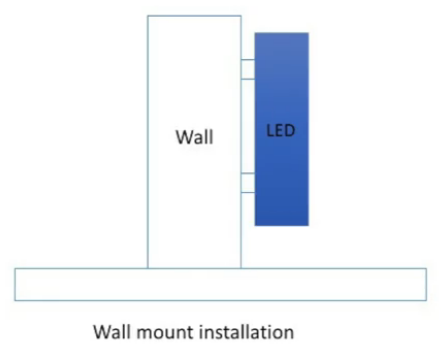
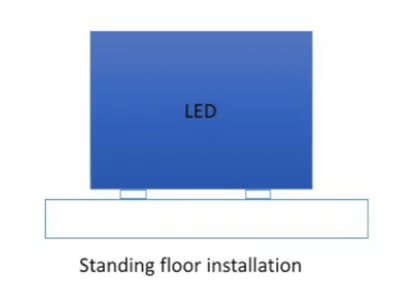
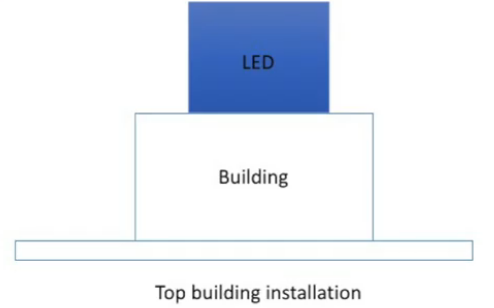

(1) Consider Stage Design and Layout
When choosing an LED display, consider the overall stage layout and the movement of actors or performers.
The positioning of the screen should not obstruct entrances, exits, or key areas of activity. A well-planned setup ensures the screen complements the production without interrupting the flow of the performance.
(2) Focus on Technical Control and Operation
Ensure there is a designated area for technicians to control and adjust the content displayed on the screens.
This ensures synchronization between the LED displays and the live performance, creating a seamless experience for the audience.


LED Screen Installation Roller Bracket, Movable
This mainly depends on the viewing distance and the size of the screen.
Generally speaking, when the viewing distance is within 3 meters, it is recommended to use a P1.9 or higher resolution LED screen; when the viewing distance is between 3 and 6 meters, it is recommended to use a resolution of P2.6 to P3.9.
If it is a large outdoor performance, the viewing distance is more than 10 meters, and a resolution of P5 to P10 is sufficient.
Linsn LED offers a variety of high-resolution screens to meet the needs of different occasions.
Indoor LED screens focus on high resolution and delicate display effects, while outdoor LED screens emphasize high brightness, waterproof and weather resistance.
Our screens have an IP65 protection rating and can maintain stable operation in adverse weather conditions, while providing up to 6000 nits of brightness to ensure clear visibility under direct sunlight.
Regularly check the screen module and connectors, and clean the screen surface to prevent dust accumulation.
Pay attention to check the connection status of the power and signal lines, and replace aging or damaged parts in time.
Linsn LED provides detailed maintenance guides and professional after-sales service.
The average life of a high-quality LED screen is between 50,000 and 100,000 hours.
I use high-quality materials and advanced manufacturing processes to achieve or even exceed this expected life under normal use and regular maintenance.
First, use high-quality video content to avoid compression distortion problems.
Second, calibrate the color and brightness of the screen regularly to ensure color consistency.
In addition, pay attention to the influence of ambient light and adjust the screen brightness appropriately.
Rental LED screen is a flexible and economical option, especially for short-term events.
The advantages of renting include low upfront costs, maintenance by the rental company, and the ability to choose screens of different specifications according to the needs of the event.
Buying is suitable for long-term and frequent use occasions, with lower costs in the long run and higher autonomy.
Linsn LED provides flexible leasing and purchasing solutions to meet the needs of different customers.
Yes, the screen can be connected to various video sources, including cameras, computers, players, etc., to meet the needs of different occasions.
The screen uses low blue light technology and flicker-free design to reduce eye fatigue and potential vision damage.
However, staring directly at the high-brightness screen for a long time may still cause eye fatigue, so it is recommended to control the viewing time reasonably.
It is recommended to examine the supplier’s qualifications and industry experience, and check its success stories and customer reviews.
It is also very important to understand its after-sales service and technical support capabilities.
As an industry-leading LED screen manufacturer, Linsn LED has rich project experience and excellent customer reputation, and is committed to providing customers with high-quality products and professional services.

Stage LED screen plays a crucial role in modern event production. By choosing the right size, resolution, and installation method, you can maximize the visual impact of your event.
At Linsn LED, we are dedicated to providing the best LED screen solutions to ensure your events leave a lasting impression.
Building 2, Hongfa High-tech Park, Shiyan Street, Baoan District, Shenzhen, China.
Email: sales@linsnled.com
Phone: +86-186-7583-4292
Ⓒ 2010-2026 All Rights Reserved by Shenzhen Linsn LED Co.,Ltd.


