Naked eye 3D technology creates realistic 3D effects without the need for glasses or extra tools.
Linsn LED offers a comprehensive 3D visual solution for your advertising or decorative needs.
(1) Attract Attention: With its 3D effects, it’s impossible for anyone to pass by without stopping to take a look, whether it’s displaying information or advertising.
(2) Innovative Advertising: 3D LED displays are perfect for creating attention-grabbing promotions, boosting brand visibility in a competitive market.
(3) Versatility: It can display a variety of content in different environments, supporting video, text, animations, images, and more.
(4) Better Impact: The artistic and creative visuals are not only pleasing but also make it easier for people to remember what they’ve seen.
Humans are naturally equipped with stereoscopic vision — each eye sees a slightly different image due to the horizontal separation between them (known as parallax).
The brain combines these two images to calculate depth and distance, creating a 3D perception of the world.
Traditional 3D technology, such as that used in cinemas, requires special glasses to separate the left and right images.
In contrast, glasses-free 3D LED displays achieve this effect directly through the screen’s optical design.
How it works: A special barrier layer is added in front of the LED screen. This layer, with precisely calculated slits, directs different columns of pixels to each eye.
Effect: Similar to looking through a set of blinds — each eye receives a slightly different image, and the brain merges them into a 3D visual.
Advantage: Cost-effective and ideal for fixed viewing positions, such as billboards.
How it works: A layer of cylindrical lenses is placed on the screen surface. These lenses refract light in specific directions, sending different images to the left and right eyes.
Effect: Brighter and with a wider viewing angle compared to the parallax barrier, making it suitable for dynamic content like stage performances.


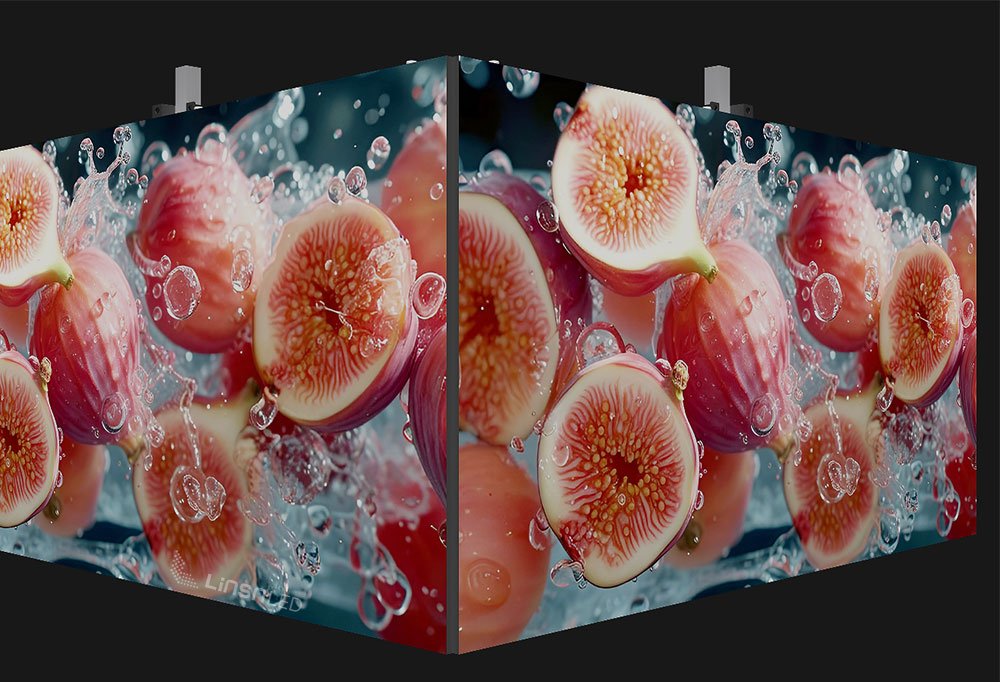

Linsn LED offers a range of Naked Eye 3D LED Screen sizes with installation options, including hanging, building-mounted, wall-mounted, or rooftop setups.
Depending on your installation space, maintenance can be front, rear, or both.
We can customize the display size to meet your needs and provide an installation area estimate for optimal placement.
In addition to outdoor 3D displays, we also offer holographic LED displays for both indoor and outdoor environments. All displays undergo rigorous aging tests to ensure excellent optical resolution and visual performance.
A well-proportioned screen enhances both the visual impact and overall experience.
We consider factors like viewing distance, installation environment, and budget to recommend the ideal specifications—striking the right balance between performance and practicality.


We offer both front and rear maintenance solutions, depending on your setup:
Front access is ideal for wall-mounted or embedded installations, commonly seen in both indoor and outdoor 3D LED displays.
Rear access works best when there’s space behind the screen, making servicing easier without affecting the display.
Beyond standard curved or 90-degree corner designs, we craft bespoke shapes to match your vision.
Whether it’s an eye-catching outdoor 3D display or an immersive indoor installation, we design with precision to bring your concept to life.
Tell us what you have in mind—we’ll make it happen.


In concerts, brand launches, art exhibitions, and similar events, the visuals on stage go beyond just flat 2D images. They extend into the space, offering the audience a layered, impactful visual experience.
For a digital performance, visual elements are just as important as music and lighting. 3D visual displays merge the virtual with the real, bringing each stage detail to life with greater intensity. If you’re looking for a more immersive visual solution, a interactive 3D LED panel is the key to enhancing the live experience.
With 3D LED displays, exhibit content is no longer confined to static displays; it’s brought to life with dynamic, three-dimensional presentations that allow visitors to “see” history and even “step into” it.
For example, dinosaur fossils are no longer just lying quietly in display cases.
They come to life through 3D digital screens, realistically rendered in three dimensions for a captivating experience.
A high-definition screen can showcase stunning visuals of space exploration, immersing visitors in the grandeur of the cosmos.


In the heart of the city, a striking 3D LED advertisement screen is not just a tool for brand promotion—it can also become a landmark.
Unlike traditional flat billboards, holographic LED displays make images “pop” out, grabbing more attention and drawing people in.
Whether it’s on a commercial building or the facade of a hotel, a powerful 3D advertising display can instantly elevate brand awareness and make passersby pause in awe.
In retail, the first step in attracting customers is getting them to stop.
They transform ordinary store windows into dynamic visual focal points, making brand displays more lively and product introductions more compelling.
In shopping malls, 3D LED displays create an immersive advertising experience, drawing attention to new product releases and time-limited promotions.


As visual technology advances, 3D LED display screens are transforming how we experience advertising, entertainment, and even architectural design.
Table of Contents
1. What Is a 3D LED Display?
2. Working Principle of 3D LED Display Board
3. The Core Advantages of Naked Eye 3D LED Display
4. Applications of 3D Screens on Buildings
5. How Can 3D LED Walls Replace Green Screen Filming?
6. How to Create Stunning 3D Content for LED Screens
7. How Do 3D LED Displays Influence Brands and Their Market Potential?
8. Quality Standards for 3D Screens
9. Linsn LED 3D Display Solution
10. Conclusion
This is an advanced display technology that can present a three-dimensional visual effect without the use of special 3D glasses.
A 3D LED display creates lifelike depth by combining high-resolution LED panels with advanced image processing technology.
The core of this technology is that it can use naked-eye 3D technology to project image depth information directly into the audience’s field of view, thereby enhancing the visual sense of reality and space.
Unlike standard 2D screens, 3D LED displays use parallax techniques to deliver different image layers to each viewing angle, creating a stronger sense of depth.
This technology not only improves the three-dimensional sense of the image, but also expands the depth range of visual performance, making the display content more eye-catching and interactive.

Display technology has evolved significantly since the advent of 2D display technology, and 3D screens represent a major breakthrough in this area.
Initial 3D display technology relied on dedicated 3D glasses to achieve stereoscopic vision, which, while able to produce depth perception, limited the user experience and convenience.
In recent years, the emergence of naked-eye 3D technology has overcome this limitation, allowing users to enjoy realistic 3D effects without wearing any auxiliary equipment.
With advanced optical processing, modern 3D LED technology delivers depth information directly to the viewer, producing natural parallax and a realistic field of depth.
This technological advancement not only enhances the three-dimensional and spatial sense of the image, but also expands the potential and scope of application of display screens in advertising, public display, and various commercial applications.
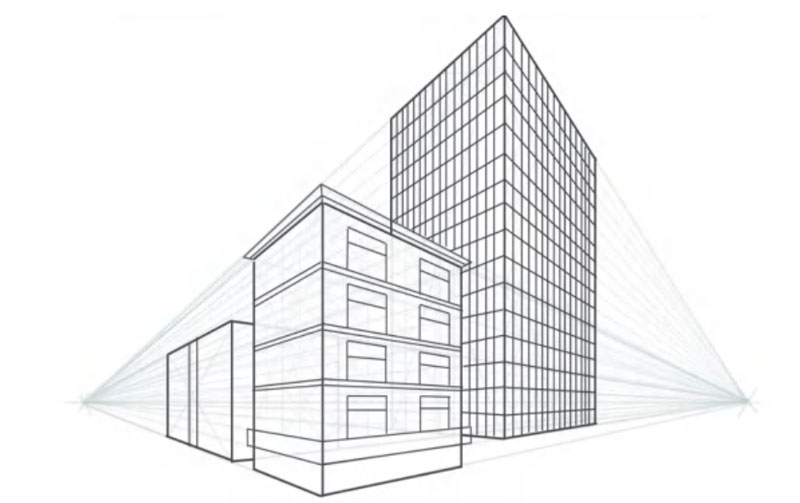

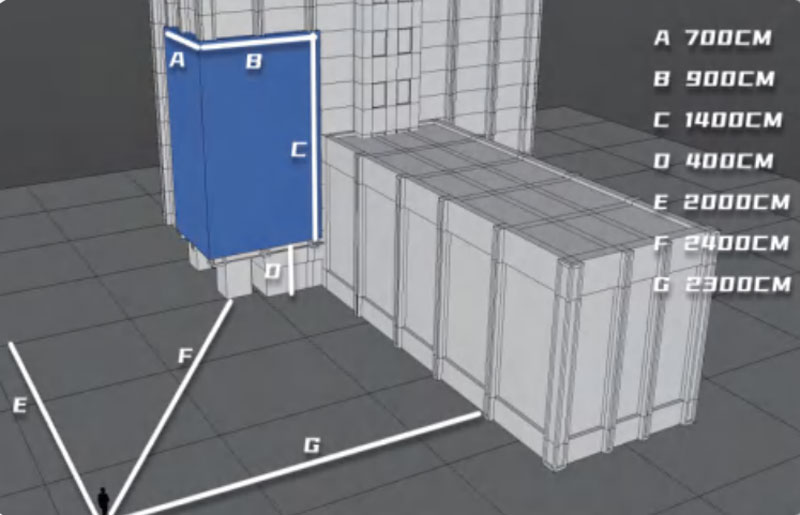
This technology uses complex optical design and image processing algorithms to present a real three-dimensional effect on the screen without wearing glasses.
Glasses-free 3D technology relies on the phenomenon of “parallax”, that is, the tiny image differences observed from different angles make the brain produce depth perception, thereby achieving stereoscopic vision.
By using light field and parallax barrier technologies, 3D LED displays deliver different image angles to each eye, creating a natural depth effect.
This ensures a stable naked-eye 3D experience without sacrificing brightness or clarity.
It significantly enhances visual impact through stereoscopic imaging technology.
Compared with traditional screens that can only present flat visual information, 3D LED displays create a dynamic three-dimensional visual experience by generating depth and stereoscopic effects.
This technology not only enhances the audience’s feelings, but also greatly improves the visibility and effectiveness of advertising, directly promoting brand exposure and recognition.
3D display technology symbolizes cutting-edge technology and innovation capabilities, which helps brands achieve significant visual differentiation in a highly competitive market.
Through this technology, companies convey a forward-looking brand image, thereby occupying a leading position in the target market, enhancing market competitiveness, and attracting high-value customer groups.
3D screens have significant application flexibility and customization potential.
They can provide excellent visual performance in a variety of environments (including indoors and outdoors), and are suitable for a variety of application scenarios such as advertising, entertainment and architectural decoration.
Through customized design, the size, resolution and appearance of the display can be adjusted according to the specific needs of customers to ensure optimal performance in different application scenarios.
In the advertising industry, the emergence of 3D screens has completely changed the traditional way of advertising display.
3D LED billboards display moving cars, pedestrians, and other lifelike visuals that instantly grab attention in busy city centers. Their striking effects increase visibility, boost brand recall, and drive higher ad conversions in high-traffic areas.
In cinemas, 3D LED screens create a lifelike effect where objects seem to leap out of the screen, delivering a more engaging viewing experience.
In theme parks, they can generate vivid virtual worlds and interactive characters, allowing visitors to immerse themselves and interact in real time.
It has become a popular decorative element in architectural design and urban landscapes.
By installing 3D screens on building facades, designers can create dynamic visual effects, making buildings look more modern and technological.
This not only enhances the appearance value of the building, but also attracts the attention of tourists and citizens through interactive content, and enhances the cultural and commercial atmosphere of the city.
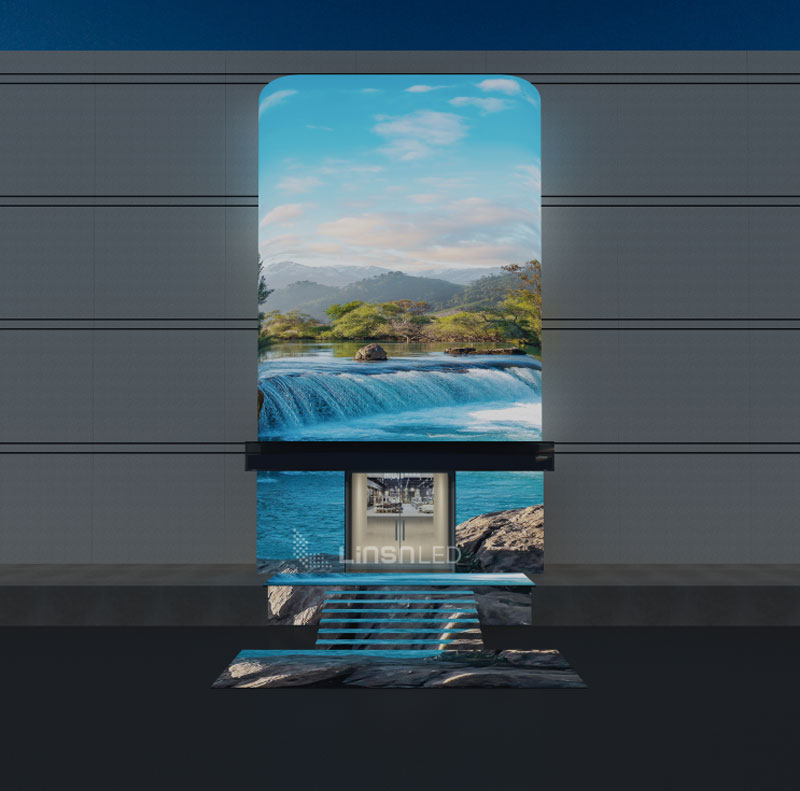

Exhibitions can display three-dimensional models and detailed functions of products, allowing visitors to observe and interact from different perspectives.
By integrating touch screens, gesture recognition or augmented reality (AR) technology, exhibition displays can achieve a richer and more dynamic interactive experience.
For example, exhibitors can use it to demonstrate the dynamic working mechanism of products or simulate real application scenarios, enhancing visitors’ sense of participation and the depth of information acquisition.
3D LED floor screens are quickly becoming a popular innovation in exhibitions, retail spaces, and entertainment venues.
This technology not only has the load-bearing and durability of traditional floors, but also can display dynamic 3D images and videos, changing as people move, creating visual effects such as “water ripples” or “cracks”, attracting more people.
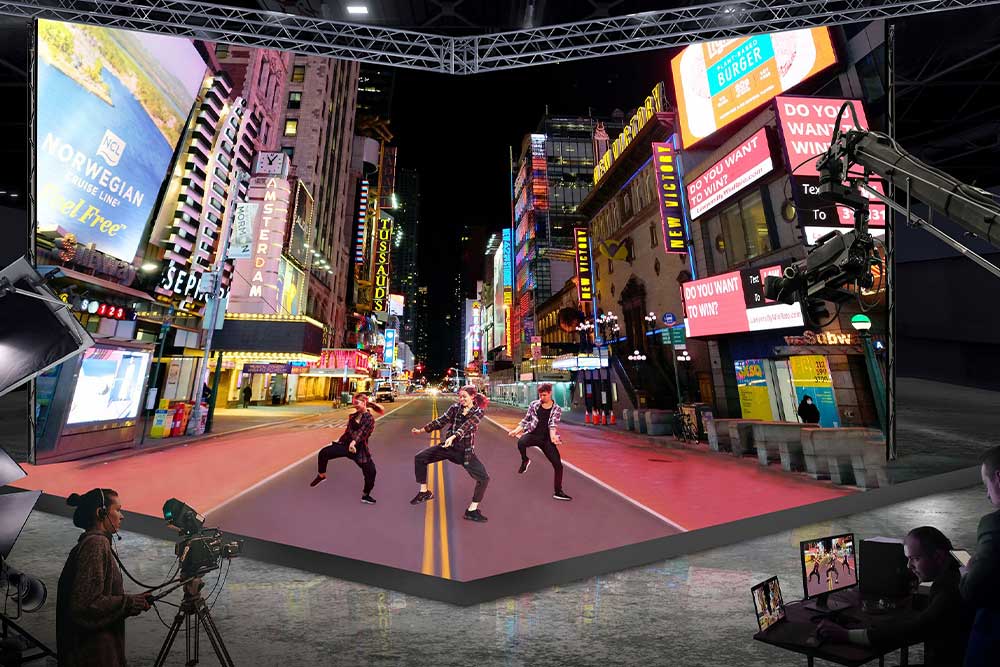
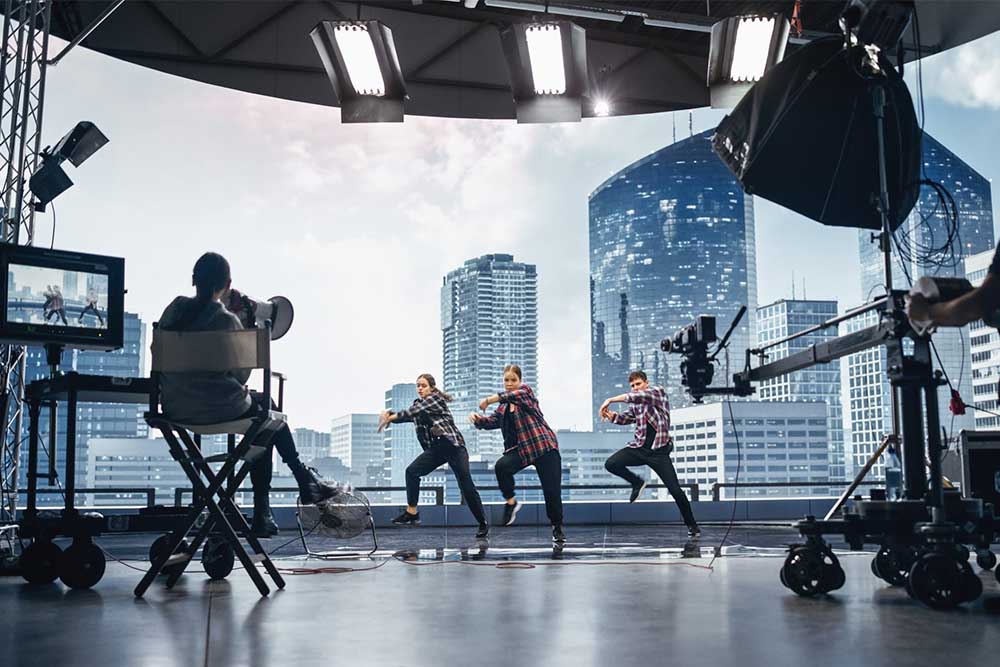
In film and television, 3D LED walls are widely used in virtual production.
They allow directors and actors to work within realistic digital environments on set, reducing reliance on green screens and improving both efficiency and creative freedom.
In modern airports, 3D LED screens serve not only as decorative elements but also play a vital role in passenger guidance and information delivery.
For example, a large-scale curved 3D screen installed in the arrival hall can simulate flight paths or showcase a panoramic aerial view of the destination city, creating a strong first impression for travelers.
Additionally, the integration of real-time data with 3D animation helps streamline passenger flow, reduce confusion, and provide an immersive experience that reflects the airport’s technological sophistication.
3D displays in duty-free areas or waiting lounges can also be used for targeted advertising—showcasing high-end products with lifelike rotation or “floating” effects—greatly boosting the attractiveness of promotional content and increasing customer engagement.

In traditional film production, green screens (chroma key) have been the cornerstone of virtual background compositing. However, 3D LED walls are revolutionizing this workflow.
They not only solve common green screen issues like reflections, color spill, and time-consuming post-production, but also enable real-time rendering, immersive performances, and more authentic light interactions.
| Comparison Dimension | Green Screen Shooting | 3D LED Wall Shooting | Advantage Description |
| Background Effects | Requires keying and post-production | Real-time display of realistic 3D scenes | Actors and directors can see near-final results on set |
| Lighting Realism | Artificial lighting may look unnatural | Screen provides natural light on actors and set | Avoids green spill (e.g., green tint on skin) |
| Production Efficiency | Post-production takes time (1–2 days per scene) | Real-time compositing saves over 50% time | Ideal for fast-paced projects like commercials or series |
| Actor Experience | Demands strong imagination for imaginary environments | Immersive setting enhances performance depth | Especially effective for sci-fi or fantasy genres |
| Cost | Low upfront, high post-production cost | Higher upfront cost, lower long-term cost | More cost-effective for studios with frequent shoots |
With a refresh rate of 3840Hz, the LED screen updates extremely fast—much faster than cinema camera shutter speeds—ensuring smooth, flicker-free footage during filming.
This ensures that every frame is cleanly captured without visual artifacts like scan lines or rolling shutter effects during filming.
Main Background Area (P1.8–P2.5): Ideal for scenes where actors are positioned 1–3 meters from the LED wall. These pixel pitches provide the physical density necessary to achieve true 4K resolution (approximately 3840×2160 pixels), crucial for close-up shots like those seen in The Mandalorian.
Extended Background Area (P3–P4): Suitable for sky, landscapes, or distant scenery. These pitches help reduce processing load and cost while maintaining acceptable visual quality for out-of-focus or background elements.
To prevent interference patterns (moiré), the LED pixel arrangement should align with the camera sensor grid. If needed, moiré can be minimized by slightly adjusting the camera’s focal length or making micro-positioning shifts to the LED panels.
Practical Application:
In virtual production, the physical resolution of the LED wall must match the output resolution of the virtual engine (e.g., Unreal Engine 5 rendering in 4K). Any mismatch can lead to visible artifacts or misaligned pixels that break the illusion on camera.
DCI-P3 is a color standard developed by the American film industry.
Compared to sRGB, it covers a wider range of red and green hues, delivering richer and more saturated colors.
It is widely used in digital cinema and high-end professional displays where accurate color reproduction is critical.
Brightness: The LED screen should reach 1000 to 1500 nits to accurately reproduce high-brightness scenes, such as sunlight.
Contrast Ratio: A minimum of 5000:1 is recommended to ensure deep blacks in scenes like outer space, preventing them from appearing washed out.
Creating 3D content for naked-eye LED screens can seem complex, but with the right preparation and creative direction, it becomes a rewarding process.
Creating stunning 3D content can be tricky—especially for curved or corner LED screens. This guide breaks down essential steps and design tips to help you make visuals that wow your audience.
To ensure an effective collaboration with a 3D content provider, it’s important to prepare the following:
Brand & Product Information: A brief introduction to your brand and the product featured.
Key Visual (KV): A high-resolution layered PSD file (preferably above 1080p).
Creative Objectives: Highlight the core messaging or unique selling points you want the 3D content to express.
Design Assets: Logo files, standard fonts, color palettes, and any existing brand guidelines.
The more accurate the material, the better the final 3D result.
3D LED screens are often not flat. They may include curves, corners, or L-shaped structures. Before creating content, clarify:
If available, request a screen template from your LED supplier
These details are essential to ensure correct perspective and distortion control during content production.
The 3D effect comes from visual tricks—depth, motion, and alignment. Here are some design strategies:
| Parameter | Requirement |
| Video Format | MP4 / MOV (H.264 or H.265) |
| Frame Rate | ≥ 30 fps |
| Resolution | Match exact screen pixel dimensions |
| Bitrate | ≥ 25 Mbps (for complex animations) |
| Color Profile | sRGB / Rec.709 (DCI-P3 optional) |
| Looping | Seamless looping recommended |
The standard 3D content production process typically includes:
If your LED display is curved, the process requires a few extra steps. Here’s a simplified overview using Blender:
(1) Creating brand stories and visual marketing
Innovative 3D LED advertising lets brands tell powerful stories that emotionally connect with audiences—turning viewers into loyal customers.
For example, car manufacturers can use 3D screens to display the internal structure of a vehicle, its dynamic driving status, and even simulate the actual driving experience, allowing the audience to experience the performance and technological advantages of the product in an immersive visual experience.
This innovative display not only enhances the brand’s sense of technology, but also strengthens the emotional connection with the audience.
(2) Improve brand market awareness
In the era of information explosion, how to make the brand stand out is a challenge faced by every enterprise.
With its unique three-dimensional display effect, 3D screens can quickly attract the audience’s attention and increase brand exposure.
The dynamic 3D visual effect makes the brand information more prominent and enhances consumers’ memory points, thereby effectively enhancing the brand’s influence in the target market.
(3) Improve return on investment through innovation
Although the initial investment is high, its long-term return is significant.
By triggering high advertising attention and deep brand impression, enterprises can achieve significant return on investment in a relatively short period of time.
Data shows that this efficient return is one of the main factors driving enterprises to adopt 3D technology.
With the development of technology and the growth of market demand, the market potential of 3D screens is constantly expanding. The following are some market trends and data:
(1) Market growth trend
According to the latest market research, the 3D market is expected to expand at an annual compound growth rate of more than 20%.
This growth is mainly driven by the increase in advertising demand and technological innovation.
The continued growth in corporate demand for efficient and attractive display solutions has driven the expansion of the market.
(2) Market share and opportunities
The North American and Asian markets are currently the main demand areas for 3D technology.
With the popularization of technology and the expansion of application areas, the market potential of 3D screens in these regions will further increase in the next few years.
The improvement in brightness is not only to make the screen visible during the day or under strong light, but also to enhance the layering and three-dimensional effect of the image.
The shorter the response time, the faster the screen reacts to the input signal, which is crucial for displaying high-dynamic scenes.
A wide viewing angle ensures that the audience can enjoy the same visual effect when watching from different angles, while color consistency ensures that there is no obvious difference in the color displayed on different parts of the screen.
Since 3D screens are often used outdoors or in long-term operation environments, durability and reliability are also important criteria for judging their quality.
High-quality displays must have good waterproof and dustproof properties.
| Quality Standard | Requirement | Description |
| Brightness & Contrast | Brightness ≥ 6000 nits, Contrast Ratio ≥ 5000:1 | Ensures clear image visibility under various lighting conditions, enhancing the realism of 3D effects. |
| Refresh Rate & Response Time | Refresh Rate ≥ 3840Hz, Response Time ≤ 1ms | Guarantees smooth playback of dynamic content, reducing motion blur. |
| Viewing Angle & Color Consistency | Horizontal Viewing Angle ≥ 160°, Vertical Viewing Angle ≥ 140°, Color Difference ≤ 5% | Ensures consistent visual effects from different angles, enhancing overall visual experience. |
| Durability & Reliability | Waterproof Rating ≥ IP65, Lifespan ≥ 100,000 hours | Ensures stable operation under extreme weather conditions, extending device lifespan. |
Using cutting-edge naked-eye 3D technology, combined with high brightness (6000-10000cd/m²) and ultra-high contrast (5000:1) LED chips to ensure excellent image quality both indoors and outdoors in direct sunlight.
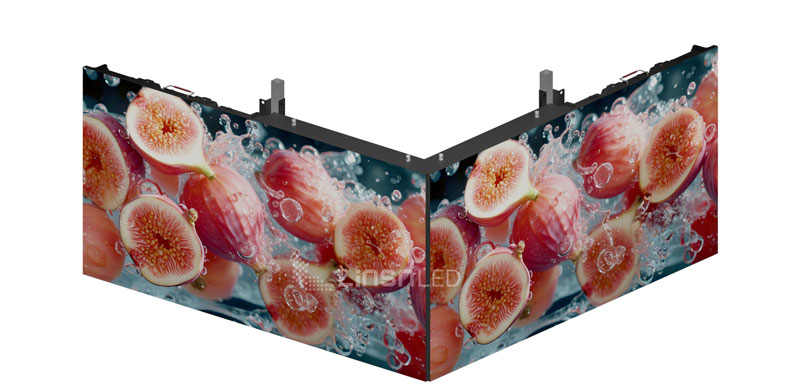
Our display has a 90° right-angle arc installation function, supports customized sizes, and achieves seamless splicing, providing the best 3D visual effects for various complex scenes.
Energy-saving design is another major advantage of ours.
The display uses the latest CCES energy-saving technology, which saves up to 30% of energy consumption compared to traditional displays, reducing customers’ operating costs.
The screen has passed IP65/IP68 protection level certification to ensure that the device can still operate stably in harsh environments, and is suitable for a variety of climatic conditions from extremely cold Northern Europe to hot and humid Southeast Asia.
With a refresh rate of 3840Hz and HDR capabilities, the Linsn LED display renders fluid and clear motion, making it perfect for rapidly changing ads like vehicle movement or sports, significantly boosting viewer engagement and brand impact.

| Model name | P5.7 | P6.67 | P8 | P10 |
| Pixel Pitch (mm) | 5.7 | 6.67 | 8 | 10 |
| Pixel Density (dots) | 168×168 | 144×144 | 120×120 | 96×96 |
| LED sealing Type | SMD2727 | SMD2727 | SMD3535 | SMD3535 |
| Module Size (mm * mm) | 480*320 | |||
| Module Resolution (PX* PX) | 84×56 | 72*48 | 60*40 | 48*32 |
| Brightness (cd/m2) | 5500 | 6000 | 6500 | 6500 |
| Grey Scale(bit) | ≥14 | |||
| Refresh Rate (Hz) | 3840 | |||
| Maximum Cabinet Power Consumption (W) | 550 | |||
| Average Cabinet Power Consumption (W) | 150 | |||
| Cabinet Size (mm * mm) | 960*960 | |||
| Cabinet Weight (Kg) | 28KG | |||
| Cabinet Thickness(mm) | 91 | |||
| Horizontal Viewing Angle (Deg) | 160 | |||
| Vertical Viewing Angle (Deg) | 140 | |||
| Input Voltage (V) | 110-220V/200-240V | |||
| Working Temperature (℃) | -20~ +40 | |||
| Working humidity(RH) | 10%~90% | |||
| Storage temperature range | -40~ +80 | |||
| Operation humidity (RH): | 10%~90% | |||
| Waterproof Level | IP66 | |||
| working life | 50000h | |||
| Working Environment: | Outdoor | |||
| Installation Method | Fixed Installation | |||
Designed for high-impact outdoor LED display, the EV960 series combines durability with outstanding visual performance.
With a variety of pixel pitches (P6.67, P8, P10) and a brightness output of 6000-10000 cd/m², your content will remain crisp and vivid even in direct sunlight.
Key Features:
(1) High Durability: IP68-rated waterproofing and a rugged aluminum chassis ensure reliable operation in all weather conditions.
(2) Easy Installation and Maintenance: Front and rear access reduces setup time and maintenance costs, with optional wall mounting to save space.
(3) Energy Efficiency: Advanced CCES technology reduces power consumption, resulting in lower operating costs.

| Pixel Pitch | 3.125mm | 4.16mm | 5mm | 6.25mm | 8.33mm | 10mm |
| LED | SMD 3in1 | |||||
| Module size | 400*300mm | |||||
| Module resolution | 128*96dots | 96*72dots | 80* 60dots | 64*48dots | 48* 36dots | 40*30dots |
| LED Cabinet Size | 800*900*98(mm) | |||||
| Cabinet Weight | 22kg/pc | |||||
| Material | Aluminum | |||||
| Brightness | 5500 cd | 5500-6500 cd | 5500-6500 cd | 5500-6500 cd | 5500-6500 cd | 5500-6500 cd |
| Avg power consumption | 300w | |||||
| Max power consumption | 520w/PC | |||||
| Grey Level | 14 bits | |||||
| Refresh frequency | ≥1920-3840Hz | |||||
| Humidity-operating | 10%一95% | |||||
| Screen life | ≥100000 hours | |||||
| Certificates | CE, RoHs, FCC, UL | |||||
| Protective grade | IP65 Waterproof | |||||
The OF800 series stands as the ultimate in outdoor LED display solutions, engineered to offer exceptional functionality and adaptability across diverse uses.
Precision engineered, the OF800 series features two cabinet sizes: 800×900mm and 800×1200mm, with a panel size of 400×300mm.
Weighing just 22kg and 29kg respectively, and measuring just 98mm thick, these ultra-light and ultra-thin cabinets ensure effortless installation and maintenance.
Key Features:
(1) Refined Design: The OF800 series features a stylish all-black cabinet with bold red module handles.
This combination of elegance and practicality not only enhances visual appeal but also simplifies user operation.
(2) Effortless Maintenance: Built for both front and rear access, the OF800 allows for quick assembly and disassembly.
With intuitive tools, modules can be swapped out in seconds, reducing downtime and simplifying maintenance.
(3) Flawless Alignment and Superior Performance: The OF800’s perfect alignment and exceptional flatness ensure a seamless visual experience.
Its high-brightness screen is perfect for vibrant outdoor ads, ensuring optimal visibility in all lighting conditions.
(4) Flexible Functionality: Featuring a cushioned LED module cover and an adjustable rear bracket, the OF800 is well-suited for various applications, including sports LED display and stadium perimeters.
Our professional team consists of experienced engineers and technical experts, capable of providing customized solutions at all stages of the project.
From project design, installation and commissioning to post-maintenance, we provide customers with one-to-one technical guidance to ensure that each project can be implemented smoothly and achieve the expected results.
Through the above discussion, it can be seen that 3D LED display has become a major trend in the current market with its strong visual impact, wide application scenarios and significant brand value-added effect.
As a leading supplier in this field, Linsn LED is committed to providing customers with the best quality products and services to help them succeed in the fierce market competition.
Ready to elevate your brand with cutting-edge 3D LED displays? Contact Linsn LED today and discover how our solutions can transform your visual marketing.
Welcome to Contact Us
WhatsApp: +86-186-7583-4292
Email:sales@linsnled.com
Building 2, Hongfa High-tech Park, Shiyan Street, Baoan District, Shenzhen, China.
Email: sales@linsnled.com
Phone: +86-186-7583-4292
Ⓒ 2010-2026 All Rights Reserved by Shenzhen Linsn LED Co.,Ltd.


