Linsn LED offers plentiful product categories with various pixel pitches for advertising, hotels, stores, governments, subways, enterprises, shopping malls, banks & stock exchange centers, train & bus stations, airports, and so on.

LED displays are exceptionally bright and vibrant, ensuring high visibility and capturing attention even from afar or in well-lit environments.
They enable the presentation of dynamic content, including videos, animations, and shifting graphics, which are more engaging and captivating for audiences than static images.
LED screens can be utilized to broadcast real-time information such as news, weather updates, stock prices, and live event feeds.
This feature makes it play a more valuable role in various environments like public places, transportation hubs, and financial institutions.
LED panels come in a variety of sizes and shapes and can be customized to fit specific spaces and meet unique requirements.
They can be curved, flexible, or modular, allowing creative and customizable installation.


Corporation usually use LED monitors to push on advertising and promotion, displaying products,service, special promotions, and brand information to attract clients.
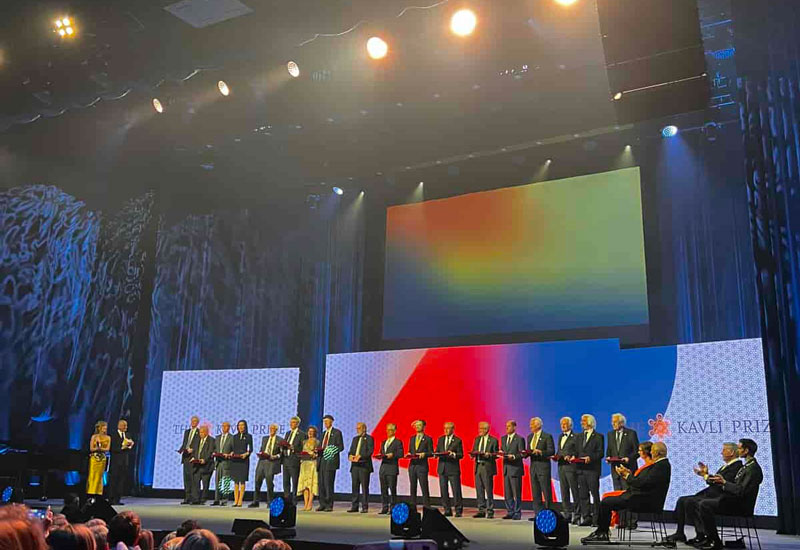
In some events and entertainments, the LED display screen will offer high-quality visual effects for stage backdrop, concert screens, and live event broadcasts, enhancing the audience’s experience.
Are you looking to host an impressive and cutting-edge event?
Do you want to make your conference more efficient and effectively convey information to participants?
Do you want to elevate your brand and attract more traffic?
If yes, please don’t miss the commercial LED display.
It is having a profound impact on all industries relying on excellent visual effects, powerful capability, and humanized design.
Part 1. What Is a Commercial LED Display?
Part 2. Linsn LED Commercial Advertising LED Display Solutions Recommended
Part 3: Why Choose LED Display Panels Instead of Other Technologies?
Part 4. Types of LED Screen Commercial
Part 5. Application of Commercial LED Display Panels
Part 6. What Should Be Considered When Choosing One?
Part 7. The Commercial LED Screen Price
Part 8. Why Choose Linsn LED?
Part 9. Conclusions
The commercial LED screen, also known as an advertising LED display or commercial LED video wall, is primarily used for disseminating commercial advertising content such as text, videos, and images to generate higher profit returns.
You commonly encounter these screens in locations like stations, shopping malls, streets, and airports.
Undoubtedly, commercial LED displays offer numerous benefits for your brand:
If you are a shopping mall manager, you must know that your shopping mall advantages will keep zooming by different content promotions.
The commercial LED display panels provide you with various content forms such as text, video or pictures, constantly enriching content and innovating display methods.
Moreover, through LED display + 3D technology, you can also create naked-eye 3D effects, optimize your brand impression, and attract consumers’ attention.
The goal of advertising is to create value, and outdoor commercial LED displays can operate 24/7, maximizing exposure for your ads and information.
These displays offer longevity, easy maintenance, and the ability to seamlessly switch between different themes, ensuring a worthwhile and profitable investment.
Additionally, unlike traditional outdoor printed billboards, LED displays require less frequent replacement and can quickly adapt to changing trends, keeping your ads current and impactful.
The LED screen commercial is equipped with remote control capabilities and intuitive operation, ensuring smooth and efficient management.
You can input hundreds of advertisements into the system at once, allowing for automated scheduling and execution, which can lead to significant cost savings.


Previously, we have learned about commercial LED display and its advantages.
But do you know why we should choose commercial LED screen instead of other display technologies?
Don’t worry, we will answer it for you here.
LED or LCD? Which one meets my needs? This is a question often asked by many customers.
As you know, the most obvious difference between them is whether they are backlit or not.
As the name implies, LCD (Liquid Crystal Display) screens contain liquid crystals that alter their state when an electric current is applied.
These monitors require a light source behind them, known as “backlighting,” since they do not produce light by themselves.
In contrast, LED (Light Emitting Diode) displays generate their light, eliminating the need for additional lighting.

LED VS LCD
For LED screen, there are many reasons why it stands out:
Linsn LED commercial LED display delivers high-brightness LED screens to ensure that content can be displayed normally under different natural lights.
Even in super bright natural light. But the LCD screen is easily affected by natural light.
The LED display screen has a wider viewing angle, up to 160°, ensuring that viewers can clearly see the displayed content from all angles.
However, with LCD, the viewing angle is limited and narrower.
The contrast ratio of commercial LED screens far surpasses that of LCD screens, enhancing visibility across various conditions.
This high contrast ensures that picture details are vividly displayed, whether indoors or outdoors, even under bright sunlight.
As you understand, LCD monitors inevitably have borders that affect the visual experience and cannot achieve large-screen display.
But LED is not. LED display screen adopts modular design and can be seamlessly spliced.
This means you can customize the screen size according to the needs of your event.
Meanwhile, the LED display supports complete installation and can achieve various creative shapes to attract the audience’s attention and enhance the viewing experience.
LCD screens consume approximately ten times more power than LED screens.
Lower power consumption not only saves users money but also extends the service life of the display.
Commercial LED signs significantly outlast LCD monitors.
Typically, the lifespan of commercial LED displays can reach up to 50,000 hours, whereas LCD screens generally last around 30,000 hours.
This translates to a service life of approximately 15 years for LEDs and 8 years for LCDs, assuming 10 hours of use per day.
Although the initial investment in LED display panels is indeed very high, with its long service life, low maintenance costs and high returns, it is still a very cost-effective investment.
Please choose a commercial LED display when the following conditions are met:
Differences in Visibility in Bright Light Environments
| Device Type | Brightness/Lumens | Performance in Bright Light | Suitable Scenarios |
| LED Display | 5000 nits | High brightness, performs well in direct sunlight, ensures visibility outdoors. | Outdoor events, billboards, sports events, large crowds. |
| Projector | Lumens (e.g., 3000+ lumens) | Even high-lumen projectors struggle in bright environments, images may not be clear. | Indoor, controlled lighting environments, small events. |
| TV | 300-700 nits | Insufficient brightness, content may be obscured by ambient light, not suitable for bright environments. | Indoor use, home entertainment, low-light conditions. |


LED VS Projecter
There are many types of commercial LED panels, each designed to meet specific needs and applications.
Here we list some common types for you:
Indoor LED commercial displays refer to LED displays used for indoor activities.
For example, indoor concerts, museum exhibitions or conference rooms, etc.
Generally, the brightness requirements and protection level requirements are lower than those for outdoor commercial LED displays.
Outdoor LED commercial screen is often used as outdoor billboards on streets or shopping mall building facades.
The high brightness and high protection level allow them to cope with various outdoor environments and ensure normal display of content under direct sunlight.
Flexible LED screens are often used in activities that require innovative displays, such as stage design or trade shows, to attract the audience’s attention immediately with their creative shapes.
It is often used in shopping mall windows to display product details or brand advertising. While attracting consumers, it can also further improve the aesthetics.
Interactive LED display screens can be used in activities that require interaction with the audience.
For example, interactive screens on the ground in shopping malls are often installed in the center of the shopping mall to attract more consumers to stop here.
Poster LED screen panels are usually used in retail stores and restaurants to display product recommendations or ongoing promotions.
With dynamic displays and a wide range of perspectives, attract more consumers to come and spend.
Digital signage: Used in shopping malls, storefronts and malls to display advertising, promotions and branding messages.
Window displays: Transparent LED panels can be used in store windows to attract passers-by without blocking the view inside the store.
Interactive kiosks: Touchscreen LED displays for customer interaction, product information and self-checkout.


Video wall: High-resolution LED panels for presentations, video conferencing, and collaboration sessions.
Lobby display screen: used in company lobbies to display company information, welcome messages and real-time updates.
Conference room monitors: Large screens for displaying data, video conferencing, and enhanced presentations.


Classroom display: Interactive LED boards for teaching, enabling interactive lessons and multimedia presentations.
Lecture hall: Large LED screen used to present lectures to large audiences.
Training center: For simulations, interactive training sessions, and information displays.


Sports LED display: Large LED display panel used for live events, replays and advertising in sports venues.
Concerts and events: Stage backdrops, live broadcast displays and immersive visuals for concerts, festivals and theatrical performances.
Cinemas and theaters: LED screens for dynamic backdrops for movie trailers, commercials and live performances.


Airport displays: Flight information displays, wayfinding signs and advertising in airports.
Train and bus stations: digital signage for timetable display, real-time updates and passenger information.
Public Information boards: LED panels in the city center used for announcements, event information and emergency alerts.


Monitoring center: A large video wall used to monitor safety signals, traffic control and emergency response coordination.
Utility control room: Displays real-time data, system status, and utility management alerts (e.g., grid, water supply).


Booth displays: High-resolution screens used to display products, company videos, and interactive content in trade show booths.
Interactive displays: Touchscreen LED panels used to engage potential customers and collect visitor information.
Event signage: Dynamic wayfinding and information screens to guide attendees and provide event schedules.


Billboards: High-visibility, large-format LED billboards for roadside and urban advertising.
Building facades: Integrating architectural displays into building exteriors for advertising and public art installations.
Transportation advertising: LED panels on buses, taxis and other vehicles for mobile advertising campaigns.


When choosing a commercial LED display, there are several key factors to consider to ensure the display meets your specific needs and provides the best value for your investment.
Indoor vs outdoor: Determine whether the monitor will be used indoors or outdoors. Outdoor LED displays need to be weatherproof and have higher brightness levels to be visible in sunlight.
Viewing distance: The distance at which the display is viewed affects the required resolution and pixel pitch. Closer viewing distances require finer pixel pitch for better image clarity.
Resolution: The higher the resolution, the better the image quality, but it also costs more. Match resolution to content type and viewing distance.
Pixel pitch: The distance between the centers of two adjacent pixels. Smaller pixel pitch LED display provides higher resolution and better image quality, especially for closer viewing distances.
Brightness: Measured in nits, this determines how visible the display is in different lighting conditions. Outdoor LED screens usually require higher brightness.
Screen size: Choose the appropriate size based on available space and viewing distance. A bigger screen has more impact, but requires more space and a bigger budget.
Aspect Ratio: Make sure the aspect ratio is appropriate for the content you plan to display.
Mounting options: Consider how and where your monitor will be mounted (wall-mounted, freestanding, or ceiling-mounted). Make sure the monitor you choose supports your installation needs.
Accessibility: Choose a monitor that is easy to maintain and repair. Front access panel makes maintenance easier.
Durability: Make sure the display is rugged enough for its intended environment, especially outdoor installations that need to be weatherproof and dustproof.
Reputation: Choose a well-known brand known like Linsn LED for quality and reliability. View reviews and case studies from other users.
Warranty and support: Make sure the monitor has a solid warranty and that the supplier offers reliable customer support and service.
The price of commercial LED screens can vary widely based on a variety of factors, including size, resolution, pixel pitch, indoor vs. outdoor use, brand, and additional features.
The larger the screen, the more expensive it will be due to the increased number of LED modules required.
Custom aspect ratios may also increase costs due to custom manufacturing requirements.
Screens with higher resolution (more pixels per inch) cost more because they require more LED display and more complex electronics to drive the higher pixel density.
Smaller pixel pitches, such as 1.2mm or 1.5mm, are more expensive but provide better image clarity at closer viewing.
Commercial outdoor LED screen usually costs more because it need to be brighter and weatherproof.
It often have additional features such as higher brightness levels and IP65 or higher waterproof ratings.

Indoor

Outdoor
Premium brands typically cost more, but may offer better reliability, longevity, and customer support.
Less well-known brands may offer more affordable options, but may compromise on some quality aspects.
The cost also includes installation services, which vary depending on the complexity of the installation.
Consider whether maintenance is included in your contract or if it is an additional cost.
Integrated software solutions, remote management capabilities and other smart features may add to the cost.
Customization options like curved LED screens or unique mounting solutions can also increase the price.
In this article, we explore commercial LED advertising displays, covering their types, benefits, and applications.
As digital advertising continues to overtake traditional methods, LED displays are revolutionizing the industry with new energy and innovation.
With this newfound knowledge about LED advertising displays, feel free to contact us for more information!
Building 2, Hongfa High-tech Park, Shiyan Street, Baoan District, Shenzhen, China.
Email: sales@linsnled.com
Phone: +86-186-7583-4292
Ⓒ 2010-2026 All Rights Reserved by Shenzhen Linsn LED Co.,Ltd.


