Linsn LED offers customizable mobile LED display screen trailers to suit your needs.
Linsn LED designs portable trailers with high-resolution LED screens, providing an innovative solution for enhanced visibility in all outdoor events.
Linsn LED provides a series of mobile LED displays including LC-ML10, LC-ML15S, and LC-ML30S.
Linsn LED offers high-quality mobile LED billboard with high-definition, bright displays, solar power, adjustable screen height, and rotatable, foldable screens. Perfect for events like festivals, weddings, corporate gatherings, outdoor movies, concerts, and more.
Outdoor LED Screen Trailer
1600x930x1850mm
180° Screen Foldable
Indoor & Outdoor Avaliable
Liftable, Rotatable, Foldable Screen


Solar Power Outdoor VMS LED Trailer
Removable LED Display Trailer
360° Rotatable Screen
Hydraulic Lifting System
High Reliability for Outdoors
Portable Mobile advertising LED Trailer
330° Rotatable LED Screen
Solar Powered and Energy Saving
Safe and Reliable Hydraulic Lifting System
Novastar LED Display System

Table of Contents
1. What Is a Mobile LED Display?
2. Types of Mobile LED Screens
2.1 Truck-Mounted LED Display
2.2 Trailer-Mounted LED Display
2.3 Taxi LED Screen
2.4 Bus LED Screen
2.5 Comparison of Four Types of Mobile LED Displays
3. Key Features of Mobile LED Display Trailer
4. When and Where to Use a Mobile LED Screen Trailer?
5. Essential but Often Overlooked Features
6. FAQS
7. Conclusion
A mobile LED display is a high-brightness digital display device integrated into a movable platform, offering significant advantages such as “instant operation, rapid deployment, and convenient configuration.”
Unlike traditional fixed LED screens, it can be flexibly deployed via trailers, vehicles, or foldable structures, making it an ideal solution for dynamic application scenarios.
From a system architecture perspective, a standard mobile unit typically consists of three core components: the LED display module, the mobile platform, and the power and control system.


The display module uses high-brightness, high-protection-grade (typically IP65 or above) LED cabinets to ensure stable and continuous operation in complex outdoor environments.
The mobile platform—such as an mobile LED trailer screen or truck chassis—is equipped with hydraulic leveling mechanisms and electric lifting systems to enable rapid on-site setup and immediate use.
The power system combines generators with lithium battery backup options to meet varying requirements for power duration and stability across different application settings.
In practical use, it significantly address three major pain points of traditional display equipment:
(1) Strong adaptability to various environments: Can be quickly deployed in open squares, temporary parking areas, or outdoor event zones without relying on fixed structures;
(2) High deployment efficiency: Overall setup and calibration time is reduced to under 30 minutes;
(3) Flexible configuration: Supports customized screen sizes and functional modules to meet diverse usage needs.
They can be categorized into four main types based on their supporting platforms. Each type has its unique application scenarios and advantages.
This type of LED display is permanently integrated into a specialized advertising truck. The vehicle is fully drivable, with the screen fixed on the side or top of the truck body. It is road-ready and can be operated instantly upon arrival.

This is currently the most mainstream solution on the market.
This type seamlessly integrates the LED screen with a dedicated trailer, retaining mobility while allowing for screen height and angle adjustments via a hydraulic system.
Notably, approximately 75% of organizers for large music festivals and sporting events prefer trailer-mounted solutions, as they can complete the full setup—from transport to display—within just two hours.
Taxi LED screen is an emerging mobile advertising solution in recent years, typically installed on the rooftop or sides of taxis.
By leveraging the wide-ranging urban routes of taxis, it enables high-frequency exposure of advertising content.
These screens are generally small in size, with moderate resolution, making them ideal for short-range visual communication.

Urban street advertising
Temporary promotional campaigns
Public service announcements in cities
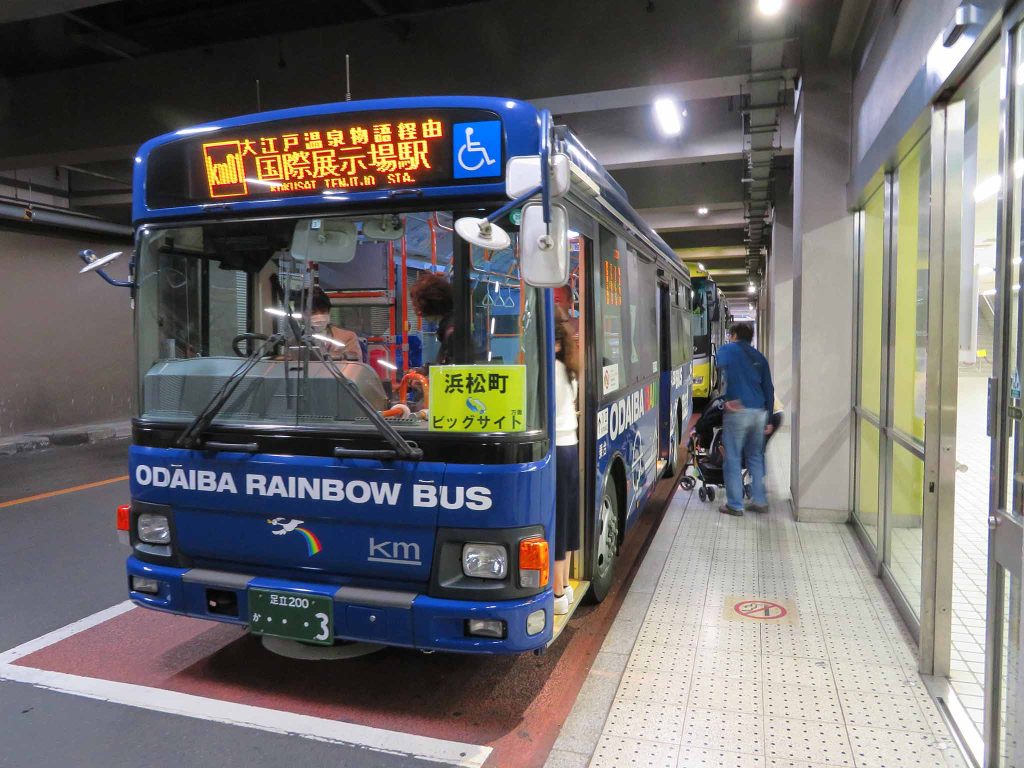
They are typically installed on the exterior or interior of public buses, delivering advertisements or public information to passengers and pedestrians.
These screens are relatively large, capable of displaying continuous video and dynamic content, making them ideal for widespread coverage in public transportation settings.

Type | Advantages | Limitations | Typical Applications |
Truck-Mounted LED Display | Highly integrated; ready to use instantly; built-in power supply; ideal for mobile playback across multiple areas | Fixed screen size with limited angle adjustment; relatively high cost | Urban advertising tours, commercial roadshows, street marketing |
Trailer-Mounted LED Display | Interchangeable screen sizes; supports hydraulic lift and rotation; moderate cost | Requires towing vehicle; road permits may be needed; manual setup for wind-bracing | Sporting events, music festivals, live broadcasts, public gatherings |
Taxi LED Display | Wide city coverage using taxi mobility; easy to install; high ad exposure frequency | Small screen area; limited content playback; complex maintenance | Street-level advertising, promotional campaigns, public info displays |
Bus LED Display | Larger display area; supports dynamic video content; wide coverage with strong visual impact | Fixed installation reduces flexibility; maintenance coordination required with transit authorities | Bus stop advertising, public service announcements, brand promotion |
Due to their flexibility, transportability, and rapid deployment capabilities, trailer-mounted LED displays have become the mainstream solution for outdoor events and commercial showcases.
Based on our actual product configuration, the following six aspects highlight the core advantages of trailer-based mobile LED displays:
The trailer is built with a durable steel or aluminum alloy chassis and is equipped with hydraulic, electric, or manual lifting systems to enable quick screen deployment and height adjustment.
The screen structure supports various sizes and modular splicing options, while wing-style extensions enhance the viewing angle and coverage.
The display body features a high protection rating to ensure dust and water resistance, guaranteeing stable operation even in challenging outdoor environments.
The system supports multiple video input formats, including HDMI and DVI, and is compatible with both synchronous and asynchronous playback modes.
Local playback via USB drive is supported, and some models offer wireless control for convenient on-site operation and real-time content switching.
The user interface is intuitive and easy to operate, allowing users to quickly complete setup and make adjustments as needed.
The trailer structure is designed for easy towing and road transport, fully compliant with highway regulations and requiring no screen disassembly.
Electric or hydraulic lifting systems simplify on-site installation, with full screen deployment and calibration typically completed within 30 minutes.
Foldable wings or rotating screen structures enhance ease of storage and transportation.
Equipped with sturdy support legs to ensure screen stability across various terrains.
Wind resistance is factored into the structural design to enhance safety in outdoor environments.
Electrical components meet national and industry safety standards, with some models featuring overload protection and emergency power-off systems to safeguard both equipment and personnel.
Supports a wide range of high-definition video signal formats and utilizes high-quality cables and connectors to ensure stable, low-latency image transmission.
Multi-signal input switching is supported, enabling seamless transitions in complex, multi-source event setups.
Some models are equipped with built-in high-capacity batteries and solar power systems, enabling more than 6–8 hours of continuous operation—ideal for outdoor use without external power sources.
Other models can be powered via mains electricity or vehicle power supply, meeting a variety of application needs.
An intelligent power management system provides real-time monitoring of power levels to ensure continuous and stable operation.
Different application environments demand varying screen sizes, brightness levels, and degrees of portability.
Choosing the right model is key to ensuring both event effectiveness and operational efficiency.
Large-scale sports events such as marathons, races, and stadium competitions require high-brightness LED screens with wide viewing angles.
Trailer-mounted screens can be quickly deployed along the racecourse, at finish lines, or in spectator areas to clearly display live broadcasts, scores, and advertisements.
Models with brightness levels above 8,000 nits, wide viewing angles, and stable support systems are recommended to ensure reliable outdoor performance under strong lighting conditions.
Outdoor concerts demand a high level of visual experience, requiring HD, vibrant LED screens to enhance stage visuals and display live footage.
Mobile LED screen trailers, with their foldable and liftable designs, can be rapidly set up and adapted to dynamic stage layouts.
When selecting a model, consider screen refresh rate, color reproduction, and audio-video synchronization to ensure smooth playback with no delay.
Large-scale gatherings, festivals, and outdoor exhibitions often require temporary display setups to broadcast promotional videos, interactive content, or event programming.
Mobile LED screen trailers offer flexible positioning to accommodate varying audience viewing angles.
Models that are easy to operate, support multiple signal inputs, and allow wireless control are recommended to enable quick setup by non-technical personnel.
In emergency response situations or public safety events, mobile screen trailers serve as vital tools for real-time information delivery and command coordination.
Their rapid deployment and remote-control capabilities ensure timely and accurate messaging on site.
It is advisable to choose models equipped with a reliable power system—such as solar panels with battery backup—and multi-signal input compatibility to ensure long-term, stable performance.

Brand campaigns, product launches, and promotional tours often require repeated setup and relocation across different venues.
Trailer-mounted mobile screens offer quick assembly and seamless transitions between locations, helping reduce logistics and installation costs.
When selecting a model, consider equipment weight, transport convenience, and compatibility with a variety of multimedia content formats.
When using a LED screen mobile trailer, certain features—though less prominent—play a crucial role in ensuring stability, safety, and ease of operation.
These often-overlooked functions are essential to consider during both selection and use:
Outdoor conditions can be unpredictable, especially in high-wind environments where screens are prone to shaking or even toppling.
A high wind-resistance rating and a solid structural support system are vital for screen stability.
Some trailers come equipped with automatic locking mechanisms and reinforced brackets to ensure reliable operation even in strong winds.
In addition, remote control functionality allows operators to adjust screen position and content from a safe distance, reducing manpower requirements and minimizing operational risk.

Many outdoor venues lack stable power sources.
Built-in high-capacity lithium batteries, combined with optional solar charging, enable over 6–8 hours of continuous operation—helping avoid interruptions due to power outages.
An intelligent power management system monitors battery levels in real time and provides timely alerts for recharging or battery replacement.
Dust and rain pose significant threats to outdoor electronic equipment.
Ensuring the unit meets protection standards of IP65 or higher is essential.
Key interfaces and power components should be well-sealed to prevent weather-related malfunctions and to extend the overall service life of the equipment.
Outdoor environments can be unpredictable, with frequent risks of video signal interruptions or interference.
Models that support multiple signal inputs and automatic backup switching help ensure uninterrupted display performance, enhancing the professionalism of live shows and public presentations.
For trailers used across multiple locations or extended durations, built-in fueling stations and robust towing safety systems are critical.
These features ensure safe long-distance transport and quick on-site deployment, reducing delays caused by logistics or mechanical issues.
A: Yes, Linsn LED offers full customization of screen size, resolution, and structure based on your event needs and trailer model. Whether you require a compact screen for small gatherings or a large-scale display for festivals, we can tailor the solution accordingly.
Thanks to our hydraulic lifting system and modular design, the full installation and setup of the trailer screen typically takes 15 to 30 minutes. This includes screen unfolding, height adjustment, and content configuration—ensuring quick deployment even under tight schedules.
A: Yes, all Linsn LED trailer models are designed to meet local road transport and highway safety regulations. They come with proper certifications, lighting, and towing systems, making them fully road-compliant and safe for long-distance travel.
As outdoor communication scenarios continue to diversify and demand greater immediacy, mobile LED displays have become a flexible solution for commercial promotions and various public events.
At Linsn LED, our mobile screen trailers are designed with a focus on usability and durability, addressing key user needs such as control options, power flexibility, and towing compliance.
Not every trailer fits every project, but the right one can make on-site communication more efficient and dependable.
If you have any LED Display Projects or Technical Problems Regarding Our LED Display Products. Please send us the message,we will reply to you in 12 hours.
Building 2, Hongfa High-tech Park, Shiyan Street, Baoan District, Shenzhen, China.
Email: sales@linsnled.com
Phone: +86-186-7583-4292
Ⓒ 2010-2026 All Rights Reserved by Shenzhen Linsn LED Co.,Ltd.


