


In modern air transportation, airport LED displays play a crucial role.
With continuous technological advancements, an increasing number of airports are adopting advanced display systems to meet travelers’ demands for real-time information and visibility.
This article will explore airport displays’ functions, types, and technical specifications, as well as key factors to consider during their application.
Table of Contents
1. Functions and Advantages of Airport LED Screens
2. Types of Airport Digital Displays
2.1 Airport Flight Information Display
2.2 Guidance Displays
2.3 Advertising Displays
2.4 Interactive Displays
3. Technical Specifications and Performance
4. Overview of Linsn LED Airport Products
5. Procurement Considerations
6. Conclusion
As airports worldwide embrace digitalization, high-performance airport LED displays have emerged as the central nervous system for modern operations. Verified data reveals how these intelligent systems deliver measurable impact:
Data shows that smart data dashboards can reduce passenger inquiries by 43% , increase commercial advertising revenue by 65% , and decrease flight misconnection rates by 30% .
Trend-Driven Growth: By 2025, 80% of airports are expected to adopt AI-powered dynamic information screens, providing real-time updates on flights and navigation.
Technology Upgrade: 4K ultra-HD displays have become the new standard in modern terminals, replacing traditional LCDs to deliver clearer and smarter visual information.
With the rising demand for intelligent and precise operations, digital data dashboards have become an essential need for airports worldwide. Is your airport ready for the upgrade?
These displays can provide real-time updates on flight statuses, ensuring that passengers receive crucial information promptly.
The displays serve as a centralized information source, showcasing flight numbers, destinations, departure and arrival times, gate information, and delay notifications.
This significantly reduces passengers’ time searching for information within the airport.
The airport has a complex layout and passengers can easily get lost when moving between different areas.
By installing guidance displays in key locations, airports can effectively direct passengers to important areas such as security checkpoints, boarding gates, restrooms, and baggage claim.
This navigation system not only reduces waiting times for passengers but also enhances the overall operational efficiency of the airport.
Displays serve as advertising platforms, providing airlines and commercial partners with valuable exposure opportunities.
These ads go beyond traditional promotions to include information on airport services and special offers, boosting passenger engagement and interactivity.
This, in turn, generates substantial revenue for the airport.

They can be categorized into the following types based on different functional requirements:
These displays play a crucial role in the airport experience, delivering real-time flight information such as numbers, destinations, and gate details.
Designed for clarity, they utilize high brightness and contrast levels to ensure visibility even in bright or challenging lighting conditions.
By providing timely updates on delays and changes, these displays help passengers navigate their journeys with confidence and ease.

These displays are used to direct passengers to key areas such as security checkpoints and boarding gates, with the aim of improving navigation efficiency.
The multi-language support feature allows them to better serve international passengers, reducing the challenges posed by language barriers.

Serving as a primary channel for commercial advertising, these displays help airports and airlines maximize revenue through promotional content.
They support flexible ad content switching and real-time updates, ensuring passengers receive the most current information.

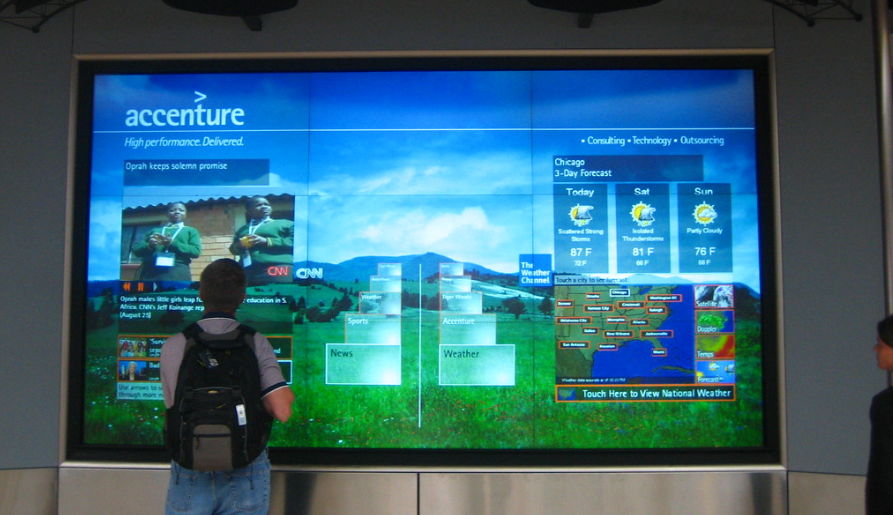
These displays, featuring touch functionality, allow passengers to easily access information on flight details, dining options, and store locations, creating a more interactive experience.
By encouraging passenger engagement, these displays serve not only to inform but also to promote a sense of involvement.
When selecting airport LED panel, technical specifications and performance are key considerations:
High-brightness and high-contrast displays ensure clear visibility under various lighting conditions, allowing passengers to easily read information.
Resolution is another crucial factor; high resolution provides better detail representation, improving the accuracy of information delivery.
Displays must demonstrate exceptional durability to operate continuously in complex environments, reducing downtime and maintenance costs.
Equipment should feature waterproof, dustproof, and shock-resistant designs to ensure reliable operation under diverse conditions.
Modern LED technology boasts energy efficiency advantages, significantly reducing power consumption during operation, thereby lowering operational costs and meeting environmental standards.
Many airports are gradually transitioning to green energy, and choosing energy-saving displays can support this goal.
We offer a range of LED display products specifically designed to meet the needs of modern airports. Here are two high-performance recommendations:

This 640x480mm indoor LED display utilizes SMD 3-in-1 LED packaging technology, delivering exceptional visual effects and clarity.
It is ideally suited for use in airport terminals, boarding gates, and information centers.
The 4:3 aspect ratio cabinet design not only accommodates traditional display needs but also flexibly adapts to various content presentations, such as real-time flight information and passenger guidance.
The MA640 features real-time update capabilities and multiple data input options, ensuring accurate and timely information for a convenient travel experience.

As a double-sided display, the MA250 is particularly suited for key locations in airports, such as security checkpoints and waiting areas.
This display is built with an aluminum alloy cabinet frame and supports split-screen multi-module display, allowing simultaneous information presentation to passengers in different directions.
Whether for passenger guidance or as a commercial advertising platform, the MA250 can dynamically adjust content based on passenger flow and time of day, ensuring maximum information exposure.
Its fully front-service design and mounting installation methods simplify maintenance, making it adaptable to various airport environments.
When procuring airport display screens, several key factors warrant attention to ensure that the selected equipment meets the operational needs of the airport:
A comprehensive assessment of costs and benefits is fundamental to the success of any project.
This evaluation should consider initial procurement costs, maintenance expenses, and anticipated revenues, including enhanced passenger satisfaction and commercial advertising income.
A reasonable return on investment (ROI) not only facilitates procurement decisions but also provides economic assurance for long-term operations.
By employing lifecycle cost analysis, managers can gain clearer insights into the overall benefits of the investment, ensuring efficient allocation of funds.
Ensuring that the display screens are compatible with existing airport management systems and equipment is critical.
This includes integration with flight information management systems, passenger guidance systems, and security monitoring systems.
Compatibility simplifies the installation process and enhances the efficiency of information updates, ensuring the accuracy and timeliness of data transmission.
Such seamless integration significantly improves the operational fluidity of the airport and reduces potential issues arising from system incompatibilities.
To learn more about Linsn LED system solutions, please watch our video.
When selecting a supplier, it is equally important to evaluate the quality of after-sales service and technical support they provide.
High-quality technical support should not only encompass rapid response to equipment malfunctions but also include regular maintenance and system updates.
Effective support services can substantially minimize system downtime, ensuring stable equipment operation.
Additionally, training airport staff to quickly address common issues is a crucial aspect of support.
These measures enable airports to maintain service continuity and enhance passenger experience stability.
An airport LED display play an irreplaceable role in enhancing information dissemination efficiency and increasing commercial revenue.
As a leading LED display manufacturer, Linsn LED is dedicated to providing innovative display technology solutions for airports worldwide, aimed at improving passenger experience and operational efficiency.
By gaining a deeper understanding of the functions, types, and relevant procurement considerations of display screens, industry stakeholders can better advance the modernization and intelligence of airport operations.
Send us a message at any time if you have any problems or quotes, and our professional team will reach out you in 24 hours.
Building 2, Hongfa High-tech Park, Shiyan Street, Baoan District, Shenzhen, China.
Email: sales@linsnled.com
Phone: +86-186-7583-4292
Ⓒ 2010-2026 All Rights Reserved by Shenzhen Linsn LED Co.,Ltd.


