

Table of Contents
1. Why Is the LED Screen for Cars Gaining Popularity?
2. Advantages of LED Screen Display for Car
3. 7 Popular Types of LED Screens for Cars
3.1 Taxi LED Display
3.2 Bus LED Display
3.3 Mobile LED Display
3.4 Truck LED Display
3.5 Smart LED Display Screen for Car
3.6 Parking Lot LED Display
3.7 Location-Based Vehicle LED Display
4. Quick Setup & Effortless Maintenance
5. Cost-Effectiveness Analysis of Car LED Screens
6. Linsn LED Support & After-Sales Service
7. Conclusion
In today’s rapidly evolving digital landscape, LED screens have emerged as a vital medium for advertising and information dissemination, swiftly capturing market share.
According to Statista, the global market for LED screen for car was valued at approximately $1 billion in 2023, with projections to exceed $2 billion by 2028, reflecting an annual growth rate of over 15%.
This rapid expansion is driven by ongoing advancements in LED technology and its extensive applications in advertising and traffic information.
LED screens not only deliver high brightness and contrast for an engaging visual experience but also facilitate real-time content updates, significantly enhancing the appeal and effectiveness of advertisements.
Their adaptability in urban environments allows advertisers to effectively target their audience and boost brand visibility.


LED Display for Car Cases
Vehicle-mounted displays offer distinct advantages in advertising and information dissemination, particularly in the following areas:
(1) Brightness and Clarity
These displays utilize high-brightness LED chips, ensuring visibility even in direct sunlight.
For example, taxi rooftop screens can achieve brightness levels exceeding 4000 nits, guaranteeing that advertisements remain legible in bright daylight conditions.
Furthermore, high-resolution configurations, such as P4 or P5 pixel pitches, provide detailed imagery and text, enabling viewers to absorb information from a distance.
This visual superiority significantly enhances the effectiveness of advertisements, attracting a greater number of potential customers.
(2) Durability
Constructed from high-strength materials, these screens exhibit exceptional waterproof, dustproof, and shock-resistant properties.
They undergo rigorous testing to ensure reliable operation in extreme temperatures, ranging from -20°C to 60°C, allowing seamless adaptation to varying weather conditions.
With a lifespan of up to 50,000 hours, businesses benefit from sustained advertising displays over extended periods, significantly reducing the frequency of equipment replacements and overall operational costs.
(3) Energy Efficiency and Environmental Sustainability
The modern vehicle LED screen is designed with advanced energy management technologies, resulting in significantly lower power consumption compared to traditional advertising methods.
This reduction not only helps businesses decrease their electricity costs but also minimizes carbon emissions, aligning with contemporary environmental standards.
Many cities and corporations choose LED screens for their green advertising initiatives, demonstrating a strong commitment to social responsibility and sustainability.
(1) Enhanced Advertising Effectiveness
Research shows that dynamic advertisements can achieve conversion rates more than 30% higher than their static counterparts.
High-performance automotive LED displays facilitate real-time updates of advertising content, effectively capturing the attention of passersby and promoting engagement with potential customers.
This adaptable advertising format empowers businesses to customize their strategies according to varying time periods and locations, ultimately maximizing their return on investment (ROI).
(2) Market Competitiveness
In a highly competitive market environment, vehicle LED screens significantly enhance brand visibility and swiftly attract consumer attention.
The mobility of these high-quality displays allows advertisers to reach a wider audience, particularly in high-traffic areas such as commercial districts and transportation hubs.
Many brands have successfully increased their market presence by utilizing LED advertisements on public transport vehicles, including taxis and buses, thereby strengthening their competitive edge.
3) Diverse Advertising Formats
These displays support a wide range of advertising formats, including video, animation, and text, allowing businesses to select content that aligns with their marketing objectives.
For instance, merchants have successfully increased product sales during summer promotions by showcasing creative video advertisements on bus screens.
This versatility provides enhanced opportunities for innovation and creative expression.
(1) Ease of Use
Modern LED screens are typically equipped with user-friendly interfaces and intelligent management systems, enabling advertisers to effortlessly upload, edit, and update their content.
This convenience improves advertising efficiency and ensures that the displayed information is timely and relevant.
(2) Interactivity and Engagement
Many displays offer interactive features, such as QR code scanning and touch controls.
These capabilities allow viewers to engage directly with the content, significantly increasing the appeal and effectiveness of the advertisements.
(3) Enhanced Information Delivery
In addition to advertising, these screens serve as effective information dissemination tools.
For example, bus displays can provide real-time updates on routes and stops, enhancing passenger convenience.
The accuracy and timeliness of this information contribute to an improved user experience, leading to higher levels of passenger satisfaction.
With innovative technology and flexible installation options, these LED screens improve the efficiency of information delivery and provide advertisers with more business opportunities.
Below is an analysis of the main types of screens and their applications:
Typically installed on the roof, taxi LED displays take advantage of the frequent movement of taxis in urban areas to effectively reach a large audience.
These displays are not only used for advertising.
Still, they can also broadcast real-time traffic information, weather forecasts, or promotional events, further enhancing the commercial value of taxis and the efficiency of information dissemination.
Positioned prominently on busy city streets, they can become a new favorite in street advertising.


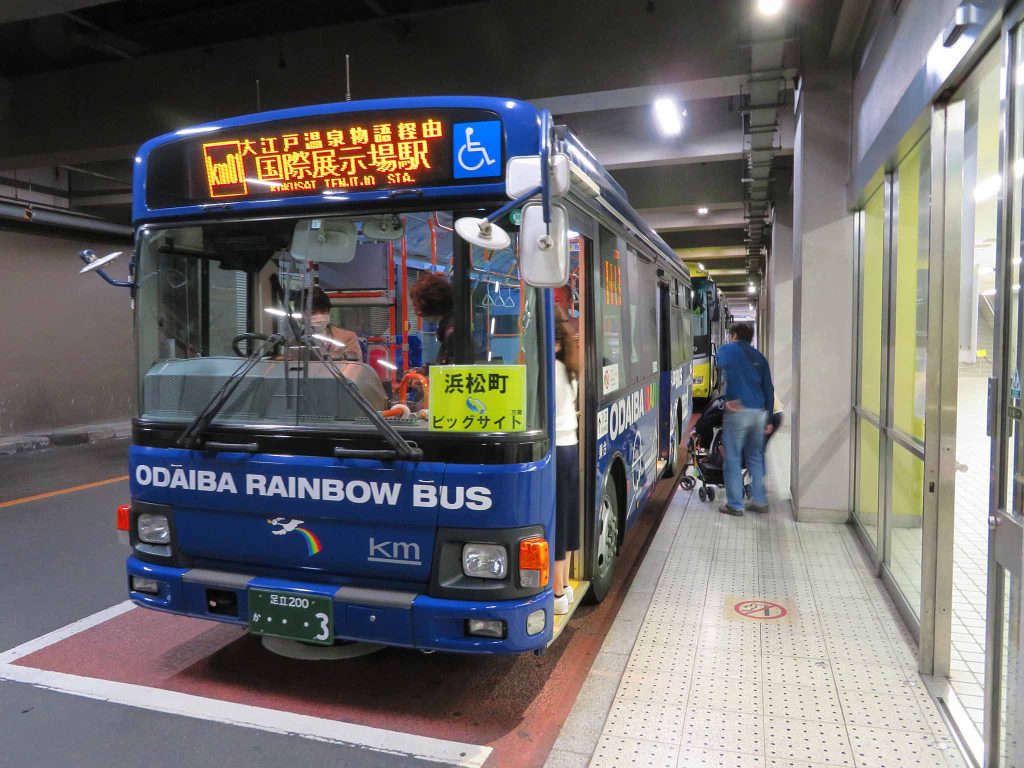
Primarily used to display operational information for buses, including stop information, route details, and advertisements.
These displays are especially important in busy urban traffic, providing passengers with timely information to enhance their travel experience.
By updating bus information in real-time, passengers can more easily plan their journeys, reducing wait times.

Typically mounted on trailers or mobile platforms, these displays offer exceptional flexibility and are suitable for various outdoor events, such as large concerts, sports events, exhibitions, and street promotions.
These screens can display dynamic images, video ads, and live updates, and can be customized to showcase content based on the event’s needs.
Whether for brand promotion or live interaction, mobile LED screens are an essential tool for capturing audience attention and boosting the visibility and impact of events.


Mainly used for delivery and transportation vehicles, these advertising LED screens can transmit logistics information and serve as advertising platforms, turning trucks into mobile advertising billboards.
By delivering effective messaging, they can help enhance brand image and engage potential customers during transportation.


Integrated with navigation, entertainment, and information display functions, these screens enhance the driving experience for car owners and drivers.
These displays show real-time traffic conditions, road information, and weather forecasts, and can seamlessly connect with in-car systems to provide personalized driving data.
Not only do they improve safety, but they also create new business opportunities, making them an essential smart accessories in modern vehicles.
Primarily used to display available parking space information, parking fees, and advertisements.
Real-time updates on parking availability help drivers quickly find open spaces, improving the operational efficiency of parking lots.
These displays also provide an excellent platform for businesses to showcase ads, enhancing the parking experience while creating more commercial exposure opportunities for nearby merchants.
This further expands the reach of advertising in the area.


This category focuses on vehicle-mounted displays based on their installation location, primarily used for advertising and information dissemination on the exterior of various vehicles.
Depending on the installation position and function, here are some common types of screens:
(1) LED Screen for Car Back Window
Mounted on the rear window of a car, these screens are primarily used for advertising or traffic information.
Through dynamic content, they can attract the attention of pedestrians and other drivers.

(2) Taxi Top LED Display
Typically installed on the roofs of taxis or other commercial vehicles, these screens showcase advertisements, promotional messages, or brand promotions.
They are ideal for high visibility in urban environments and offer excellent advertising impact.

(3) LED Screen For Car Window
Installed on the windows of a car, these screens can be used for advertising or disseminating traffic-related information.
They are particularly effective in high-traffic areas, helping to increase brand visibility.
To ensure optimal performance and long-term stability, proper installation and maintenance are essential.
We provide detailed installation steps and maintenance recommendations to help you maximize the lifespan and performance of your screen.
(1) Choose the Right Location
Based on the vehicle’s environment, ensure the display is installed in the best possible viewing area, avoiding direct sunlight, excessive glare, or obstruction.
The location should ensure clear visibility and safety while driving.
(2) Secure the Installation Structure
Choose a suitable bracket or base that meets the required standards based on the screen’s size and weight.
Ensure that the installation structure is stable and can withstand potential vibrations and external forces during operation, ensuring stability and safety.
(3) Connect Power and Signal Cables
Follow the installation instructions carefully when connecting power and signal cables, ensuring a secure connection to avoid loose or faulty connections.
This will prevent disruptions in display performance caused by power fluctuations or signal loss.
(4) Software Configuration and Testing
Configure the screen’s display software, adjusting parameters like brightness, contrast, and color to suit different environmental needs.
Once installation is complete, conduct a thorough test to ensure all functions operate correctly and content is displayed smoothly.
How to Assemble Taxi LED Screen?
(1) Brightness and Color Checks
Regularly check the brightness and color performance of the screen to ensure consistent display quality.
It is especially important to monitor the effects of high temperatures or humid environments on the display when used outdoors.
(2) Regular Cleaning and Protection
Clean the screen surface regularly to remove dust and stains, preventing long-term buildup that could affect display performance.
Use specialized screen cleaning tools to avoid scratching or damaging the surface.
(3) System and Hardware Maintenance
Conduct a comprehensive maintenance check every quarter, including the inspection of hardware, wiring, and software configuration.
Address any potential issues promptly to avoid disruptions caused by equipment failure.
By following proper installation and regular maintenance practices, you can extend the lifespan of your vehicle LED display and ensure optimal performance in various applications.
If you have any questions or need assistance, please feel free to contact our technical support team.
For businesses, the decision to invest in vehicle screens requires a comprehensive cost-effectiveness analysis.
By accurately evaluating the initial investment and long-term returns, companies can clearly understand the true value of the investment and make more forward-thinking decisions.
The initial investment includes the cost of equipment, installation, and ongoing maintenance.
When selecting a system, companies should consider not only technical specifications but also factors such as brand reputation, product quality, and after-sales support.
These elements directly impact the long-term stability of the equipment and overall operational costs.
Devices from reputable brands generally offer higher quality, lower failure rates, and lower long-term maintenance costs, thereby improving the overall investment return.
In addition to the initial investment, long-term operational costs—such as power consumption, software updates, and regular maintenance—must also be considered.
While these operating costs may seem relatively small in the short term, their long-term impact on a company’s financial health should not be underestimated.
Moreover, vehicle-mounted LED screens can significantly enhance ad conversion rates and brand visibility, generating considerable revenue for the business.
As a key tool in modern advertising, the powerful visual appeal of LED screens not only boosts brand image but also helps businesses stand out in a highly competitive market, further increasing market share.
Vehicle LED screens can significantly increase ad conversion rates and brand exposure, leading to higher advertising revenue.
Businesses can quickly assess ROI by comparing the direct revenue generated from ads with the initial investment.
Comprehensive technical support is provided, including real-time phone consultations, online customer service, and remote diagnostics.
Whether for pre-installation technical advice or resolving issues during use, our professional team responds quickly to ensure smooth and efficient operation.
Advanced remote monitoring services help businesses track device status in real time, identifying and addressing potential problems promptly to minimize the risk of failure.
Additionally, as a leading LED panel manufacturer, Linsn LED modules undergo a comprehensive module aging test before shipment.
This test simulates extended use, identifying potential issues related to heat and power fluctuations.
It ensures that each module not only meets our high performance standards but is also ready for long-term, stable operation in real-world environments.
Taxi LED Screen Aging Test
The after-sales team offers fast response times to resolve any issues encountered during use.
Regular follow-ups and maintenance help extend the lifespan of the equipment and reduce operational disruptions caused by technical failures.
Additionally, we provide comprehensive user manuals and online training resources to support internal technical teams in managing the equipment effectively and ensuring long-term, stable performance.
Clear Service Level Agreements (SLAs) are provided, guaranteeing response times and prompt issue resolution to protect client interests.
With a global network of technical support and after-sales services, timely assistance is available regardless of location, ensuring optimal efficiency and stability of the equipment.
Selecting the ideal vehicle-mounted LED display requires balancing technical specifications, operational demands, and budget considerations.
When selecting an LED screen for your vehicle, it’s crucial to assess its environmental resilience.
The durability of the screen under various weather conditions, vibrations, and temperatures will determine how well it performs in real-world situations.
Key Metric | City Daily Operations | Long-Distance Freight/Extreme Environments | Testing Standard Reference |
Waterproof Rating | IP65 (Resistant to heavy rain) | IP67 (Short-term submersion resistant) | IEC 60529 |
Vibration Resistance | 5-7G vibration tolerance | 9G+ vibration tolerance | MIL-STD-810G |
Operating Temperature | -20℃ ~ 50℃ | -40℃ ~ 70℃ | SAE J1455 |
Dust Resistance | Street dust resistance | Desert-level dust resistance | ISO 20653 |
Case Scenarios:
Dubai Taxi Rooftop Displays: IP68+ dustproof certification to withstand sandstorms.
Northern Europe Cold-Chain Transport Vehicles: Equipped with self-heating screens to operate at -35℃.
When considering LED displays for your vehicle, optical performance is key.
Factors like pixel pitch, peak brightness, refresh rate, and viewing angle will influence how effectively the screen communicates with audiences.
Parameter | Taxi Rooftop Display | Bus Information Display | Mobile Stage Display |
Pixel Pitch | P6-P8 (Medium Distance) | P4-P6 (Close Distance) | P2.5-P4 (Ultra Close) |
Peak Brightness | 5500-8000 nits | 4500-6000 nits | 3500-4500 nits |
Refresh Rate | 3840Hz+ (Anti-Moiré) | 1920Hz+ | 3000Hz+ |
Gray Scale | 16bit | 14bit | 16bit+ |
Viewing Angle | 140°×140° | 160°×160° | 170°×170° |
Special Considerations:
Taxi Rooftop Displays: Ensure high refresh rates for compatibility with in-vehicle cameras to avoid Moiré patterns.
Mobile Stage Displays: Focus on wide viewing angles and color consistency, requiring precise pixel-level calibration for perfect clarity.
LED screens can consume a significant amount of power, especially when mounted on vehicles that rely on the vehicle’s battery or external power sources.
Power efficiency is critical to ensuring long-term operation without excessive energy consumption.
Key Considerations: Choose displays with energy-efficient drivers, dimming capabilities, and low-power modes that help reduce energy consumption during off-peak hours or when the vehicle is stationary.
Mobile LED displays are often subjected to wear and tear due to the dynamic environment of vehicles, so ease of maintenance is crucial.
Key Considerations: Opt for modular designs that allow for easy replacement of individual panels or parts. Additionally, ensure good accessibility for repairs and upgrades to minimize downtime and service costs.
Vehicle-mounted LED displays must perform optimally in a variety of lighting conditions, from the harsh glare of midday sunlight to dim nighttime visibility.
Key Considerations: Select displays with high brightness (nits) and an adjustable brightness feature that can optimize visibility across all times of day, even in fluctuating weather conditions.
Why Choose Our Vehicle-Mounted LED Displays?
At Linsn LED, we understand the unique demands of vehicle-mounted LED displays.
Our screens are designed to withstand extreme environments, offering superior resilience, brightness, and performance.
Whether you need a display for urban taxis, public transportation, or mobile advertising, our customizable options ensure that you get the perfect solution for your needs.
As a key tool in modern advertising and information dissemination, LED screen for car is continuously expanding in both application and benefits.
With effective investment and management, businesses can fully leverage the potential of LED screens to achieve higher ad conversion rates and greater brand exposure.
Looking ahead, as technology continues to advance, it will continue to play a crucial role in the advertising industry, making them an investment worth attention and commitment.
Send us a message at any time if you have any problems or quotes, and our professional team will reach out you in 24 hours.
Building 2, Hongfa High-tech Park, Shiyan Street, Baoan District, Shenzhen, China.
Email: sales@linsnled.com
Phone: +86-186-7583-4292
Ⓒ 2010-2026 All Rights Reserved by Shenzhen Linsn LED Co.,Ltd.


